
Cognitive Behavioral Psychedelic Therapy


 Michael DeMarco, PhD
A summary of the latest research -- 2026
 Michael DeMarco, PhD
This post is an older version. For new updates, see the links above!
 Bashkim Kadriu
"The glutamatergic modulator ketamine has created a blueprint for studying novel pharmaceuticals in the field. Recent studies suggest that “classic” serotonergic psychedelics (SPs) may also have antidepressant efficacy. Both ketamine and SPs appear to produce rapid, sustained antidepressant effects after a transient psychoactive period.” (2020)
Kyle T Greenway(2020): "Expert opinion: The contextual model of the common factors of psychotherapy provides a powerful perspective on psychotherapy, antidepressants, and psychedelics, as well as 3,4-methylenedioxymethamphetamine (MDMA) and ketamine. It aligns well with key tenets of psychedelic-assisted psychotherapy. Conventional antidepressants and especially psychedelics may improve the efficacy of psychotherapy via neurochemical changes and increased environmental sensitivity. Combined treatments hold significant promise for advancing the knowledge and treatment of many forms of psychopathology"
 Michael DeMarco, PhD
(2025):"Designed for varied service models, the framework is substance-unspecific (i.e., covering various classical and atypical psychedelic agents) and transtheoretical (i.e., compatible with cognitive-behavioral, psychodynamic, humanistic-experiential, systemic and other psychotherapeutic orientations)."
Angu Bala Ganesh K S V(2026):"Affective disorders such as depression, anxiety disorders and suicidality are major contributors to global psychiatry. The "chemical imbalance" theory has been traditionally used; however recent research suggests that neurotransmitter dysfunction may represent an important early contributor within a broader, bidirectional cascade of cellular changes. Stress responses and neural circuits are disrupted by dysregulation of the serotonergic, noradrenergic, dopaminergic, GABAergic, and glutamatergic systems, which leads to oxidative stress, excitotoxicity, neuroinflammation, and decreased trophic support. Reduced brain-derived neurotrophic factor (BDNF) signaling, dendritic retraction, synapse loss, and apoptotic susceptibility are the common pathways that result in both amygdala hyperactivity and structural atrophy in the hippocampus and prefrontal cortex. Rumination, fear, anhedonia, cognitive impairment, and suicidal ideation are clinical manifestations of the ensuing circuit failure. This study proposes a unified model of pathogenesis in which increasing cellular damage is driven by neurotransmitter dysregulation, integrating evidence from both the neurochemical and cellular domains. Reassessing the delayed but plasticity-enhancing benefits of SSRIs and SNRIs, the quick synaptic repair brought about by NMDA antagonists like ketamine, and the potential of new drugs that target oxidative stress, inflammation, and glutamate receptor subtypes are some of the therapeutic implications. Lastly, it is highlighted that developing biomarkers for oxidative damage and neuroinflammation is an essential next step in the development of precision psychiatry. This paradigm aims to shift the emphasis from regulating neurotransmitters to promoting cellular resilience and rebuilding brain circuits in order to re-imagine the future of treatment for depression, anxiety, and suicidality."
Berend Olivier(2026): "Typical (or serotonergic) psychedelics (psilocybin, ayahuasca) and atypical (glutamatergic/NMDA) psychedelics (ketamine, esketamine). Both approaches, via a different entrance mechanism, have a fast (immediate) onset, combined with a long-lasting antidepressant action, which cannot be explained by long-term biological presence of the drug in the brain. The psychedelic drugs acutely initiate short-lasting CNS-induced side effects but also lead to activation of downstream cortical processes that underlie the 'lasting' antidepressant effects. In the present chapter, the clinical developments that have led to the marketing of psilocybin and esketamine for major depression disorders has been described. The emergence of fast onset antidepressants for major depression and treatment-resistant depression is a huge step forward in treating major psychiatric disorders."
Qingying Cao
(2025): "results indicate that ketamine primarily exerts a compensatory effect through network features (such as network global efficiency and inter-brain-region information flow), which contributes to its rapid antidepressant effect."
Maxemiliano V Vargas(2023): "Serotonin, because of its polar chemical composition, cannot readily pass the neuronal cell membrane. Serotonin doesn’t induce plasticity. Therefore, boosting serotonin levels by selective serotonin reuptake inhibitors (SSRIs) was largely a futile effort for the meaningful treatment of depression. Only a small portion of patients respond.”
Xiangying Wei(2026): "Ketamine, through blocking N-methyl-D-aspartate (NMDA) receptors, has established a new paradigm for rapid-acting antidepressant intervention..." Our review highlights the specific biological changes that drive these effects. Beyond monoamine regulation, key factors include modulation of glutamate and GABA signals, which contribute to the restoration of synaptic plasticity in damaged brain circuits. "
 Michael DeMarco, PhD
(2025):"non-traditional therapies, such as ketamine-assisted psychotherapy, demonstrate both safety and efficacy in treatment-resistant populations. Ketamine induces altered states of consciousness that have shown transformative psychological effects in some patients. Building on this, the field is now exploring classic psychedelics like psilocybin and LSD, which may offer even deeper transpersonal experiences and long-lasting therapeutic benefits."
Psychedelic therapy historically involves human support before, during, and after each medicine administration, especially initially. Integration sessions are generally within a few days of a medicine session. Clients may go on to make sense of their journey in ongoing coaching as needed, in addition to body work, yoga, or other pursuits that may be beneficial to individual mental health.
 Michael DeMarco, PhD
(2025): "Ketamine-assisted psychotherapy (KAP) is part of an emerging model of psychedelic medicine that employs psychoactive agents to support the psychotherapeutic process. "
 Michael DeMarco, PhD
"A first-of-its-kind clinical trial shows that ketamine treatment for severe, treatment-resistant depression is significantly more effective when paired with psychotherapy and supportive environments. Patients who underwent this combined treatment reported a 30% drop in depression symptoms, with reduced anxiety and suicidal thoughts lasting at least eight weeks." (2025)

"Perhaps, rather than trying to rid psychedelic therapy trials of all human interaction in order to better isolate the effect of drug administration, thereby maximizing pharmaceutical and insurance control over who can access this treatment, we should instead acknowledge the limitations of this particular form of knowledge formation and use other means to discern best practices. Intuition, clinical judgement, and an appreciation for the thousands of years of history surrounding the use of psychedelic drugs could be a good start."
 Authors Info & Affiliations
Systematized Review of Psychotherapeutic Components of Psilocybin-Assisted Psychotherapy (Horton, et al, 2021)
The bedrock of PAP rests on providing nonjudgmental listening, empathic support, and a strong therapeutic relationship (1, 2, 24). Although the PAP studies in this review have largely been conducted and published within the domain of psychiatry (4, 10, 14), and may thus seem distant from the world of therapists, the fundamental components of PAP are integral to nearly every model of psychotherapy. Moreover, the therapists in the reviewed clinical trials were often not psychiatrists, but master’s level counselors (N=7), social workers (N=8), and clinical psychologists (N=19). This finding suggests that, if PAP becomes a clinical practice, the individuals who will work directly with clients before, during, and after psilocybin administration will likely be practicing therapists. Clinicians may be able to incorporate their preexisting knowledge and skills along with specific training in PAP to help facilitate immediate and enduring positive changes in the lives of their clients.
...
The present systematized review outlined the role of therapists in PAP and consolidated the structure of sessions and range of psychotherapeutic modalities and techniques implemented in this therapy. The importance of isolating psilocybin’s effects to better understand its mechanistic functions is unquestionable. Additionally, the content of each stage of PAP is essential to the efficacy of psilocybin treatment, and the influence of psychotherapy on outcomes is likely higher than current research suggests (2). Counselors and therapists are poised to contribute immensely to the field of PAP, as they will likely provide the in-session therapeutic services if or when psilocybin becomes an FDA-approved treatment.
 Michael DeMarco, PhD
August 2025: In the randomized, double-blind, placebo-controlled phase 2 study, investigators enrolled 73 adult participants diagnosed with moderate to severe GAD. Participants were randomly assigned to complete 2 dosing sessions with either a 25 mg dose of synthetic psilocybin or placebo, which was administered in a controlled clinical setting as part of a proprietary psychotherapeutic protocol. All participants received equal hours of psychological support and preparation
 Michael DeMarco, PhD
"Administering ketamine in ways that parallel psychedelic-assisted treatments—including preparatory, integration, sensory immersion, and psychotherapy sessions—could decrease PTSD symptoms meaningfully."
 O. Rose Broderick
(2026)
Having a sober adult around to take care of you if anything comes up, or who can call for help if you needed medical attention is a way to decrease the risk of misusing the medicine in a way that may lead to harm.
Cognitive behavioral therapy, psychedelic medicine research
In the article "Using Telehealth to Implement Cognitive-Behavioral Therapy” (Dent, et al, 2018), researchers write:
Therapists are required to be experienced in cognitive-behavioral therapy, adept at telehealth care delivery, and knowledgeable about the care of high-risk populations with general medical conditions and behavioral health issues or who are navigating life transitions.
...
"Behavioral health conditions are prevalent among patients with medical comorbidities and often go unrecognized or untreated because of barriers, including inadequate identification of patients in need and insufficient access to high-quality behavioral health care. We have described a nationally scaled telehealth model designed to overcome barriers to identification and enrollment into therapy. Participants were highly satisfied and experienced clinically meaningful improvements in behavioral health outcomes, further underscoring the potential impact that a telehealth solution could have in optimizing treatment outcomes."
In 2024, JAMA reported in "Telehealth Brief Cognitive Behavioral Therapy for Suicide PreventionA Randomized Clinical Trial (Baker, et al):
Results of this randomized clinical trial of 96 US adults with recent suicidal ideation and/or suicidal behavior show that patients who received BCBT had significantly fewer suicide attempts during the 1-year follow-up vs patients who received present-centered therapy. Reductions in suicidal ideation occurred in both treatments with no significant differences between groups.
These findings suggest that BCBT delivered via video telehealth is effective for reducing the risk of suicide attempts among adults with recent suicidal ideation and/or suicidal behavior.
 Psychiatric News Alert
 Jussi Jylkkä
"the reported insights were highly similar across the two types of reports, and only minor differences were observed between classic and non-classic psychedelics (including ketamine). Regression analyses indicated that metacognitive and value insights were positively associated with perceived improvements in positive affect, while mystical-type insights predicted increased meaning in life. These findings suggest that both psychedelic substances and meditation can facilitate a broad range of insights that are not fully captured by existing questionnaires. The results highlight similarities between psychedelic and meditation experiences supporting the notion that transformative experiences are not exclusive to classic psychedelics but can be facilitated through various means." (2025)
A Cognitive Behavioral mental health approach is a set of mind-body concepts offered by therapists and coaches as a small way to reduce suffering. This helps a great deal of people. Others will go on to hurt themselves or someone else, or otherwise. Still others are or have been harmed by psychotherapists or other helper professionals, spiritual guides, or medical prescribers, or have had negative reactions to a medicine, all of which are known risks being studied in ongoing research. In spite of the possibility of some harm in some people, there is the possibility of great good to people worldwide when this medicine is accessible to those who need it, in whatever route of administration and setting is safest according to the patient's individual needs.

Modern psychotherapy developed in the late 1800’s evolving into cognitive behavioral therapy led by Albert Ellis in the 1950's. Whether delivered at home, via telehealth, or in person, CBT continues to be show a strong signal of efficacy for a number of indications, and must be considered alongside psychedelic medicine in research and practice. Additionally, the results of CBT are measurable by observable differences in the brain as evidenced on fMRI.
Rational emotive behavior therapy, 2nd ed. (2019) "REBT is the founding cognitive, multimodal, and integrative therapy approach. Albert Ellis originated it in the 1950s, and other cognitive approaches followed. From its start, the approach included philosophical as well as experiential, emotional, and behavioral techniques."
Cristina Tomoiagă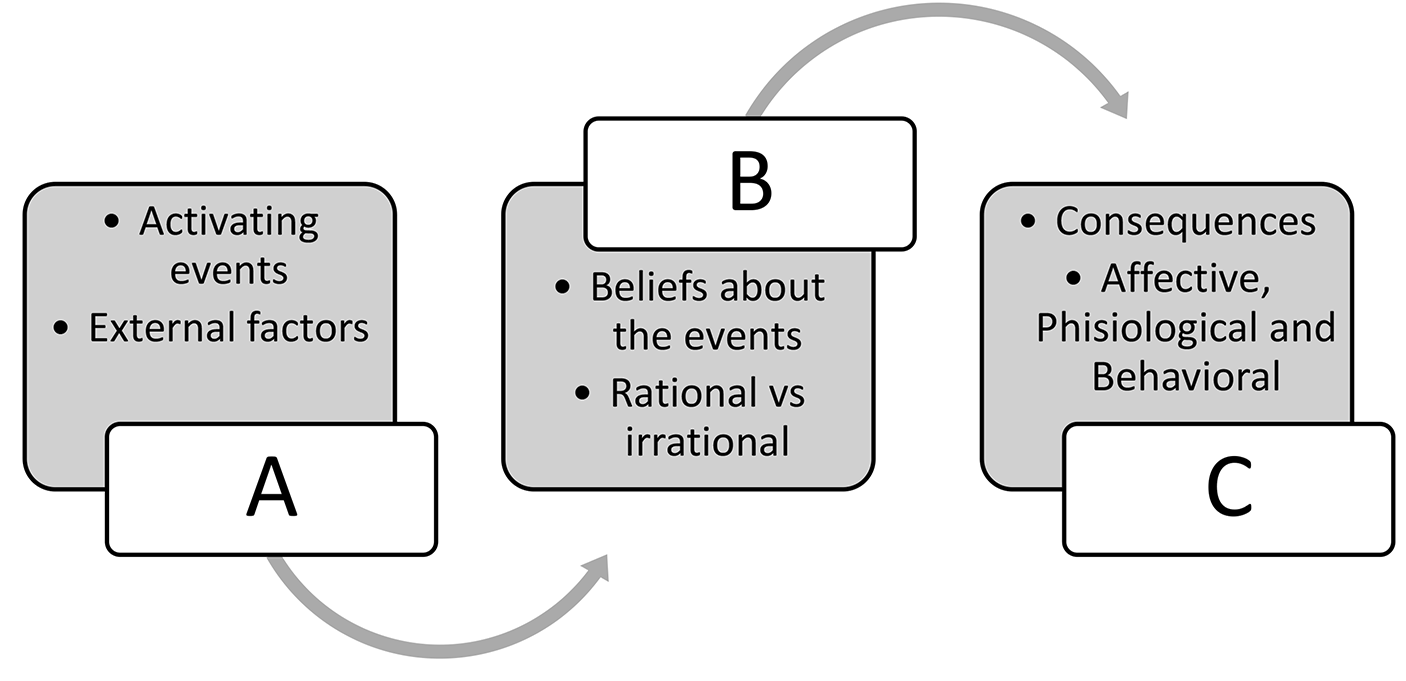 Oana David
(2019): While initially used in the sports field, coaching is currently considered a domain at the intersection of various disciplines (e.g., andragogy, psychology, behavioral sciences, consulting), which is defined by different theories (e.g., adult learning theories, counseling, psychotherapeutic approaches, and positive psychology). Coaching is primarily conceptualized as an adult learning strategy, using focused conversations between a coach and coachee, where the coach acts as a catalyst for the coachee’s learning process in relation to their goal/issue. Change processes are facilitated by the coach through the use of effective questioning – derived from counseling - meant to assist the coachee in order to formulate realistic goals, overcome obstacles and implement effective steps in reaching their goals.

This concise and accessible book introduces the 30 Distinctive Features of Rational Emotive Behavioural Coaching, also known as REBC, an approach which applies the principles of REBT to coaching.
In the Dunlop, et al, 2017 paper "Functional Connectivity of the Subcallosal Cingulate Cortex And Differential Outcomes to Treatment With Cognitive-Behavioral Therapy or Antidepressant Medication for Major Depressive Disorder”, researchers write:
“Remission from major depression via treatment with CBT or medication is associated with changes in rsFC (resting state functional connectivity) that are mostly specific to the treatment modality, providing biological support for the clinical practice of switching between or combining these treatment approaches. Medication is associated with broadly inhibitory effects. In CBT remitters, the increase in rsFC strength between networks involved in cognitive control and attention provides biological support for the theorized mechanism of CBT. Reducing affective network connectivity with motor systems is a shared process important for remission with both CBT and medication.”

Functional Connectivity of the Subcallosal Cingulate Cortex And Differential Outcomes to Treatment With Cognitive-Behavioral Therapy or Antidepressant Medication for Major Depressive Disorder (2017)
Carmen Schaeuffele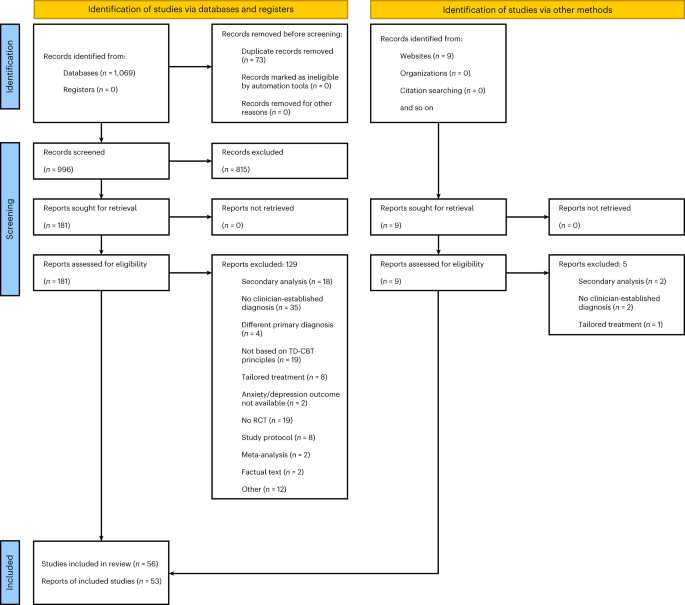
In the meta-analysis spanning over 20 years of psychotherapy research "A systematic review and meta-analysis of transdiagnostic cognitive behavioural therapies for emotional disorders" (Schauffele, et al, 2024) researchers state:
Transdiagnostic cognitive behavioural psychotherapy (TD-CBT) may facilitate the treatment of emotional disorders. Here we investigate short- and long-term efficacy of TD-CBT for emotional disorders in individual, group and internet-based settings in randomized controlled trials (PROSPERO CRD42019141512). Two independent reviewers screened results from PubMed, MEDLINE, PsycINFO, Google Scholar, medRxiv and OSF Preprints published between January 2000 and June 2023, selected studies for inclusion, extracted data and evaluated risk of bias (Cochrane risk-of-bias tool 2.0). Absolute efficacy from pre- to posttreatment and relative efficacy between TD-CBT and control treatments were investigated with random-effects models. Of 56 identified studies, 53 (6,705 participants) were included in the meta-analysis. TD-CBT had larger effects on depression (g = 0.74, 95% CI = 0.57–0.92, P < 0.001) and anxiety (g = 0.77, 95% CI = 0.56–0.97, P < 0.001) than did controls. Across treatment formats, TD-CBT was superior to waitlist and treatment-as-usual. TD-CBT showed comparable effects to disorder-specific CBT and was superior to other active treatments for depression but not for anxiety. Different treatment formats showed comparable effects. TD-CBT was superior to controls at 3, 6 and 12 months but not at 24 months follow-up. Studies were heterogeneous in design and methodological quality. This review and meta-analysis strengthens the evidence for TD-CBT as an efficacious treatment for emotional disorders in different settings.
 Carmen Schaeuffele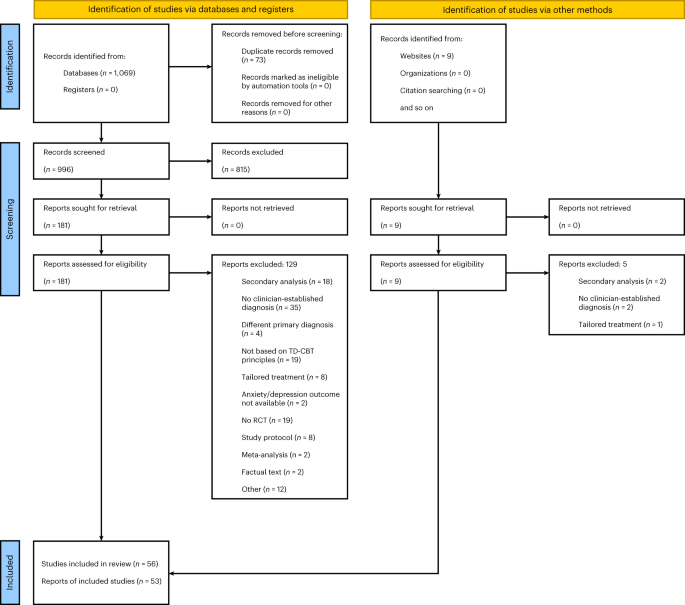
In comparing 53 different studies on psychotherapy, these researchers conclude that what they found “strengthens the evidence of transdiagnostic cognitive behavioral therapy psychotherapy is efficacious for treatment of emotional disorders in different settings”, including by “internet-based settings”, ie, telehealth. Trans-diagnositic cognitive behavioral therapy approach, and generalizable, standardized and evidence-based practice was better than nothing at all (being on a “waitlist”), and at least as effective to active treatments for anxiety (medicine) and superior, that is, more effective than “other active treatments for depression”. This generalizable model, even by internet-based means of delivery, was comparable to styles of cognitive behavioral therapy that focus on a particular type of unhealthy negative emotion, feeling or behavior pattern.
Rational emotive behavior therapy (REBT), introduced by Albert Ellis in the late 1950s, is one of the main pillars of cognitive-behavioral therapy...REBT is a sound psychological intervention.
50 years of rational-emotive and cognitive-behavioral therapy: A systematic review and meta-analysis (David, et al, 2017)
 [email protected]
...this study suggests that both CBT and tDCS, either individually or in combination, have a positive therapeutic impact on enhancing executive functions, theory of mind, and depressive symptoms in women with MDD.
(2025) CBT consistently reduces subcortical activity and improves top-down regulation, restoring the balance between the cortical and subcortical systems... One potential alternative mechanism is neuroplasticity, as repeated cognitive and behavioral interventions in CBT may induce structural and functional changes over time, particularly in regions involved in self-referential processing and emotional regulation. Additionally, predictive coding models propose that anxiety is maintained by maladaptive anticipatory responses, and CBT may work by recalibrating these expectations, reducing excessive prediction errors in the brain’s fear-processing circuits. Finally, large-scale networks, such as the salience network, default mode network (DMN), and executive control network, play crucial roles in emotion regulation and cognitive control, and their interactions may be key in explaining the variability in neural responses observed across different anxiety disorder
 Daniel David
(David, et al, 2018)
...we argue that CBT is the gold-standard psychological treatment—as the best standard we have in the field currently available—for the following reasons [see also Hofmann et al. (2)]: (1) CBT is the most researched form of psychotherapy. (2) No other form of psychotherapy has been shown to be systematically superior to CBT; if there are systematic differences between psychotherapies, they typically favor CBT. (3) Moreover, the CBT theoretical models/mechanisms of change have been the most researched and are in line with the current mainstream paradigms of human mind and behavior (e.g., information processing). At the same time, there is clearly room for further improvement, both in terms of CBT’s efficacy/effectiveness and its underlying theories/mechanisms of change. We further argue for an integrated scientific psychotherapy, with CBT serving as the foundational platform for integration.
Psychotherapy, as engaged by a licensed mental health provider, is not under the direction of the FDA.
Psychedelic coaching does not include the diagnosis or treatment of medical illness.
 Samuel T Wilkinson
2021
 Michael DeMarco, PhD
2025
Psychotherapy is the least-invasive approach in the treatment of mental illness, theoretically, and medicines have historically been prescribed in conjunction with some sort of human support.
 Michael DeMarco, PhD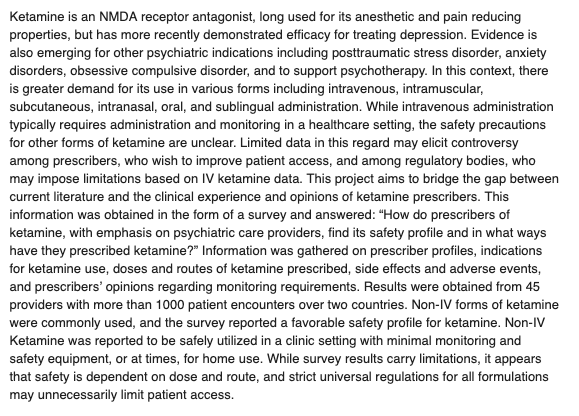
"An open label trial not included in the above meta-analysis reported that efficacy of SL ketamine started at a dose of 300 mg and increased as tolerated to 450 mg as part of a telehealth KAP program. These patients used their ketamine at home, and no significant adverse events were noted in the large sample of over 1200 patients [26]."
 Michael DeMarco, PhD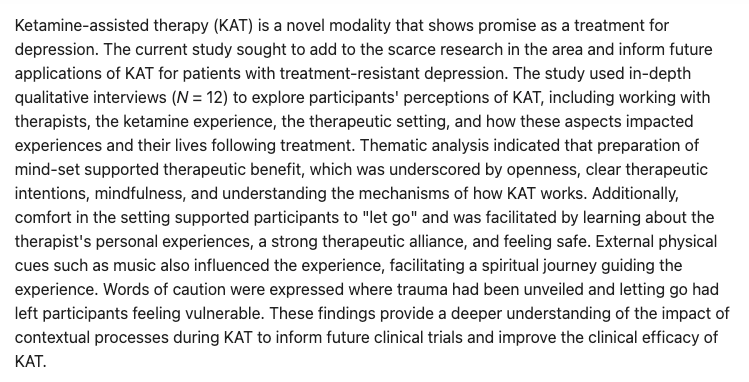
"comfort in the setting supported participants to let go and was facilitated by learning about the therapist's personal experiences, a strong therapeutic alliance, and feeling safe...music also influenced the experience, facilitating a spiritual journey guiding the experience." (2025)
In "Interpersonal factors in internet-based cognitive behavioral therapy for depression: Attachment style and alliance with the program and with the therapist” (Zalaznik, et al, 2024), researchers studied "guided internet-based cognitive behavioural therapy (ICBT) for depression”, finding:
A culturally-adapted version of ICBT for depression showed that alliance with therapist and alliance with programme both can play an important role in its effectiveness: alliance with programme and the therapist drive adherence and dropout and alliance with therapist is related to symptom improvement. Although the focus of treatment is not interpersonal, avoidant attachment style can improve following ICBT.
CBT and several of the mechanisms of action of ketamine and other psychedelic medicines involve brain circuitry, neuroplasticity, and decades of research and practice. MAPS/LYKOS was denied FDA approval for MDMA-Assisted Therapy in part because they had a proprietary psychotherapy approach, and in part because of blinding in psychedelic medicine research. Participants are able to guess if they received the medicine or placebo, which affects their study design.
In observational, real-world settings, esketamine (Spravato), iv racemic ketamine, and ketamine by mouth, in the sub-anesthetic range, elicit a felt experience. Psychedelic-naive study participants and/or patients would not know the difference between MDMA and ketamine, which can be dosed by mouth or IV. Similarly, in studies of DMT, researchers have compared directly with esketamine, but have not yet connected the essential point that ketamine, and related esketamine, given in any form are psychedelic medicines, which means the ideal active placebo. We have two FDA approved medicines available around the world, which are active psychedelic medicines. All future psychedelic studies involving double blind study of psychedelic medicines could be compared to ketamine and esketamine using scales which have consistently been validated to measure and describe how to best prepare, support, and make sense of what the medicine does to help an individual, while minimizing any harmful side effects.
Ideal psychedelic study design comprises groups of participants with and without medical diagnoses with arms of cognitive behavioral therapy for the treatment as usual arm, CBT + ketamine, ketamine by itself, and include quantitative and qualitative ratings. CBT is the gold standard in psychological treatment and coaching. Ketamine and esketamine are currently the gold standards in psychedelic medicine. Unfortunately, ketamine researchers are sometimes unaware of the CBT and psychedelic research, and ignore the experience of the individual. Approaching ketamine as a psychedelic medicine, with a least invasive route of administration (ie by mouth), in an environment where the individual is comfortable (ie- at home), with a human (coach, facilitator, therapist, safe person) to support their safety on a deep meditation which people describe as deeply personal and meaningful, which studies have suggested for decades, affects the outcomes of the treatment in mental health.
This disconnect in research has real-world consequences, with un-informed content-creators claiming psychedelic medicine is a "therapy cult", or that somehow the adverse effects of an unfortunate, small number of individuals int he MAPS MDMA study somehow discounts the global history of psychedelic practice and research. While there are studies that are ill-conceived and executed, there is an obvious signal pointing to how to best work with the medicine compounds which elicit this sort of experience and how they effect the individual. While psychedelic medicine may be hopelessly tied to American-style capitalism, this does not discount the rest of the world benefitting from evidence based cognititve behavioral therapy with the addition of psychedelic medicines ranging from ketamine to MDMA, psilocybin, ibogain, DMT, ayahuasca, mescaline, LSD, or esketamine. The evidence base for CBT and psychedelic medicines indicates a signal strongly pointing to benefit, with known risks. Practice is guided by already-existing structures of mental health and medical practice licensure around the world and indigenous use of entheogenic plant medicines for thousands of years to inform how best to support the individual.
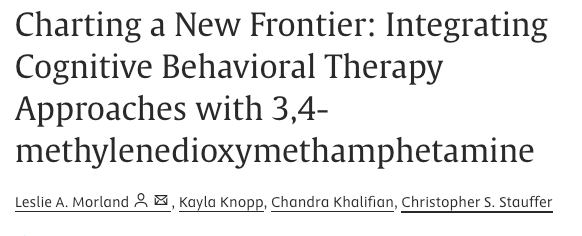
The MAPS-sponsored study MDMA-facilitated cognitive-behavioural conjoint therapy for posttraumatic stress disorder: an uncontrolled trial (Monson, et al, 2020), researchers write:
Our initial data indicates that MDMA delivered in combination with CBCT for PTSD appears to be safe, does not appear to be treatment-interfering, and may potentiate the treatment effects for PTSD and the larger relationship context in which it exists.
This study obviously includes a review of some literature on cognitive behavioral therapy, its use in PTSD treatment as well as couples (relational) therapy. This was not, however, the study design used for MDMA-assisted psychotherapy for PTSD included in the MAPS/Lykos application presented to the FDA in 2024's New Drug Application, which was rejected, nor was CBT part of the Spravato application when the FDA approved esketamine in 2019, which was approved. Esketamine has been shown to elicit mystical experiences as well as "dissociation", yet this was not a factor int he esketamine/Spravato studies, and was noted as an Adverse Event. Subsequent study identifies the incorrect use of the word "dissociative" and the timing of the rating scales which fail to capture the full experience of the participant. When esketamine patients describe their experience as "psychedelic" or "mystical" or otherwise personally meaningful, awe-inspiring or profound, then they tended to have better treatment outcomes. This has decades of supporting research indicating the same thing in racemic ketamine in any form in the sub-anesthetic, mental health dosing range. (See Does the Psychedelic Experience Matter? and "Is Ketamine a Psychedelic? Yes.")
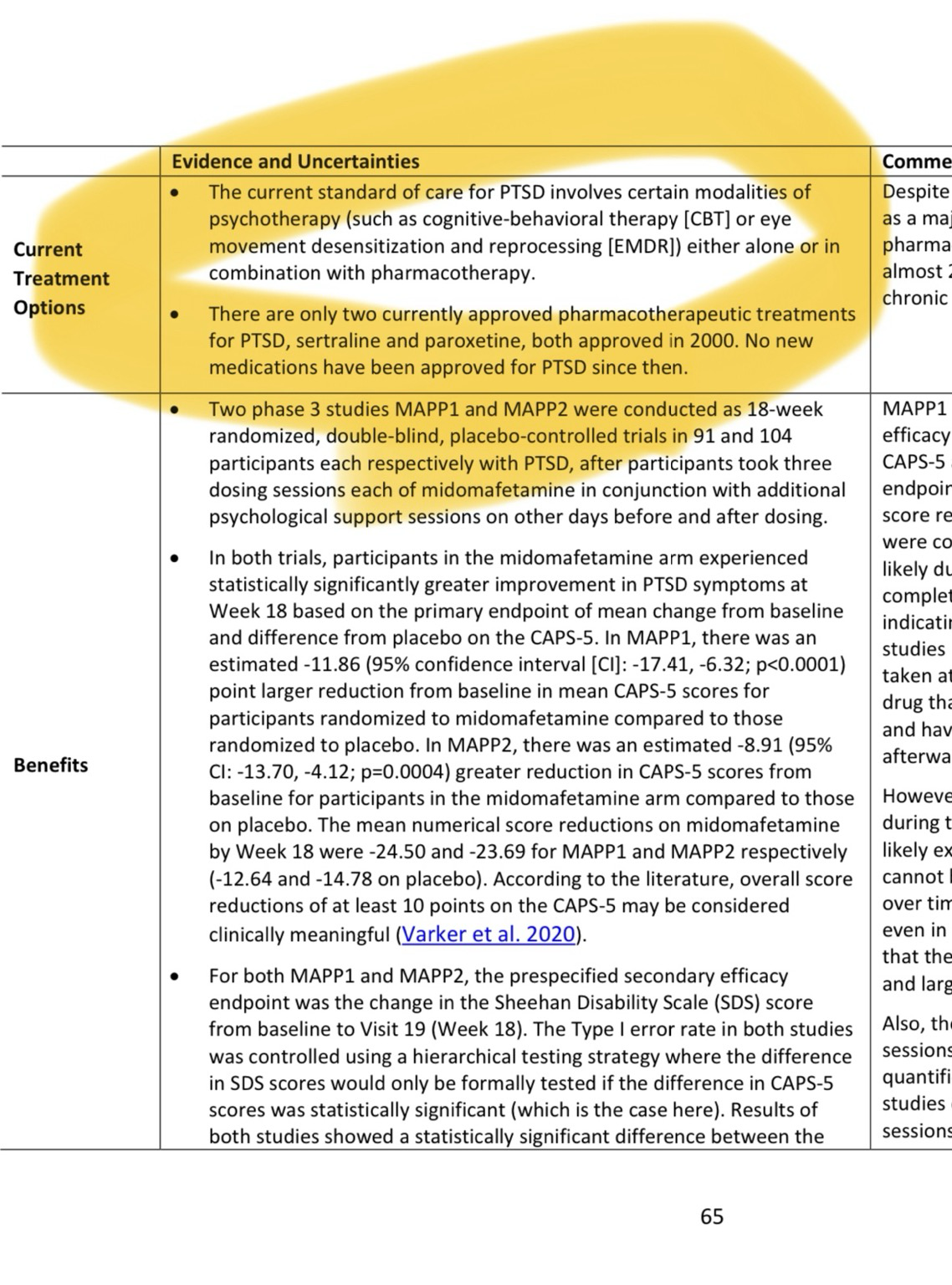
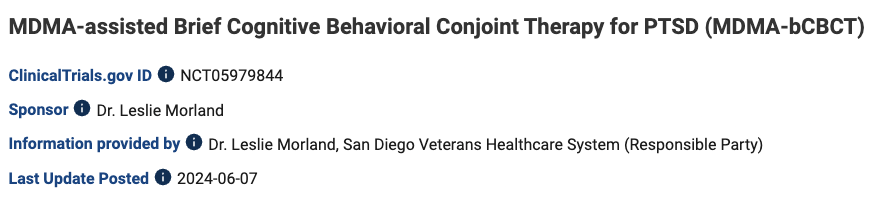
The VA currently has an FDA-approved Phase 3 study in progress called "MDMA-assisted Brief Cognitive Behavioral Conjoint Therapy for PTSD (MDMA-bCBCT)" (2024) with results pending. This study is described as "An open label, single site study assessing the preliminary effectiveness, safety, and acceptability of an intervention consisting of MDMA-assisted bCBCT".
 Michael DeMarco, PhD
2025: "Clinical psychology has seen a resurgence of interest in the use of psychedelic-assisted therapy (PAT) for the treatment of a range of mental health diagnoses in the past several years. Although PAT research outcomes are promising, many questions remain unanswered, including identifying the most effective approaches to integrating psychedelics with existing cognitive behavioral therapies (CBTs) for different indications, populations, and settings. This special feature highlights cutting-edge research on the integration of psychedelics with several established CBTs, including Acceptance and Commitment Therapy, Prolonged Exposure, and Cognitive-Behavioral Conjoint Therapy. We focus primarily on 3,4-methylenedioxymethamphetamine (MDMA), an agent that has shown promise in having unique synergy with the psychotherapeutic mechanisms of change in many of our current CBT approaches. The authors aim to explore this potential synergy, including how psychedelics may enhance CBTs as well as the role of CBTs in facilitating the long-term integration of psychedelic-driven changes."
 Max Wolff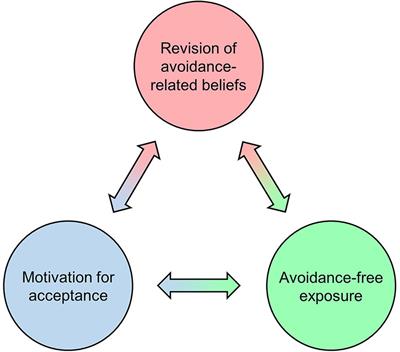
“When combined with specific context factors that are typically present in psychedelic therapy, belief relaxation can increase motivation for acceptance via operant conditioning, thus engendering episodes of relatively avoidance-free exposure to greatly intensified private events. Under these unique learning conditions, relaxed avoidance-related beliefs can be exposed to corrective experiences and become revised accordingly, potentially leading to long-term increases in acceptance and associated reductions in psychopathology. This model shows substantial parallels between psychedelic therapy and CBT that may be harnessed by using CBT as a therapeutic framework for psychedelic interventions.”
David B Yaden(2022): "The acute subjective effects of psychedelics are responsive to users’ expectations and surroundings (i.e., “set and setting”). Accordingly, a great deal of thought has gone into designing the psychosocial context of psychedelic administration in clinical settings. But what theoretical paradigms inform these considerations about set and setting? Here, we describe several historical, sociological influences on current psychedelic administration in mainstream European and American clinical research settings, including: indigenous practices, new age spirituality from the 1960s, psychodynamic/psychoanalytic approaches, and cognitive-behavioral approaches. We consider each of these paradigms and determine that cognitive-behavioral therapies, including newer branches such as acceptance and commitment therapy (ACT), have the strongest rationale for psychedelic-assisted psychotherapy going forward. Our primary reasons for advocating for cognitive-behavioral approaches include, (1) they avoid issues of cultural insensitivity, (2) they make minimal speculative assumptions about the nature of the mind and reality, (3) they have the largest base of empirical support for their safety and effectiveness outside of psychedelic therapy. We then propose several concepts from cognitive-behavioral therapies such as CBT, DBT, and ACT that can usefully inform the preparation, session, and integration phases of psychedelic psychotherapy. Overall, while there are many sources from which psychedelic psychotherapy could draw, we argue that current gold-standard, evidence-based psychotherapeutic paradigms provide the best starting point in terms of safety and efficacy."
In McCartney, et al, 2022, "Psychedelic assisted therapy for major depressive disorder: Recent work and clinical directions”, researchers compared psilocybin and ketamine.

equivalent response rate to both Murrough et al.’s (2013)and Phillips et al. (2019) studies. In the second phase of Wilkinson et al.’s (2017) trial, they ceased ketamine administration but continued to provide 12 sessions of CBT for a further eight weeks, to determine its efficacy in prolonging ketamine's antidepressant effect. The results were supportive, showing a markedly lower relapse rate (25%) for an even longer duration (eight weeks) than the prior two studies. Furthermore, their participants took over twice as long (three months) to relapse into depression, compared to the non-CBT studies (3–5 weeks). Wilkinson et al. (2017) noted that most participants relapsed after completing weekly CBT treatment, suggesting that ongoing psychotherapy was effective in sustaining ketamine's antidepressant effect... This review has examined the psychedelic treatment of MDD from a multifactorial perspective. A comparison of recent clinical trials shows that the psychological component of psychedelic treatment is vital for sustaining antidepressant outcomes. This aligns with the emerging biological understanding of these substances, specifically, their capacity to induce a period of neural plasticity that enhances the opportunity for emotional, cognitive, and behavioural repatterning. Given the bias towards a medical treatment model caused by the socio-political history of psychedelics, as well as flat out ignorance of their longstanding medicinal uses in cultures across the world, future research would benefit from more deliberately considering the importance of combined psychological and psychedelic therapy. Arguably, as these substances become increasingly legalised in a medical context, and thereby accessible to the public, psychedelic therapy will become less stigmatised. Until then, acknowledgment in clinical research and by practitioners of the dual importance of biological and psychological factors, could help to present a united front that actively works to align public perception of psychedelic treatment with its true therapeutic potential."
In 2023, researchers compared the esketamine part of the ketamine molecule with and without cognitive behavioral therapy in "Cognitive behavioral therapy following esketamine for major depression and suicidal ideation for relapse prevention: The CBT-ENDURE randomized clinical trial study protocol (Kitay, et al, 2023) writing:
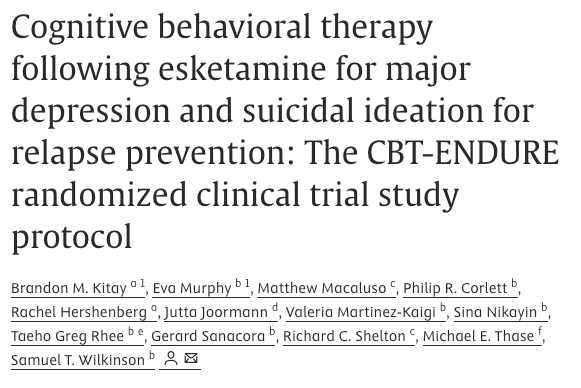
This concept was further described in 2025 in a study on the esketamine enantiomer variant of ketamine, although the study did not include cognititve behavioral therapy.
 Miriam Olivola
(2025) "Esketamine may be particularly beneficial in reducing cognitive rigidity, improving mentalization, and breaking the cognitive inflexibility that contributes to sustained negative depressive thinking patterns."
Hermany Munguba(2026) Depression is driven by dysfunction in discrete neural circuits, but a deeper understanding of the underlying molecular and synaptic mechanisms is needed to guide the development of therapeutics. Here, we decipher the mechanisms of action of the fast-acting antidepressant ketamine to enable the identification of G protein-coupled receptor (GPCR) antidepressant targets. We find that the behavioral effects of ketamine rely on mu-opioid receptors (MORs), which are enriched in somatostatin-expressing interneurons (Sst+ INs) in the medial prefrontal cortex (mPFC). Chronic stress drives presynaptic hypertrophy of mPFC Sst+ INs and excessive inhibition of pyramidal neurons, which is rescued by ketamine.
Psychedelic/ psychiatric/ neuroscience research suggests brain scans may indicate what type of treatment for depression and/or anxiety will work best , with one treatment including cognitive behavioral therapy, also measurable in brain scans. Research directly compares 3 common antidepressants with cognitive behavioral therapy - based intervention, all reflected in brain circuit scores. The Default Mode Network (DMN) and Salience Network (SN) are well-studied in ketamine and psychedelic literature, as well as research into the subjective experience reported as these brain circuits are being treated.
“Remission from major depression via treatment with CBT or medication is associated with changes in rsFC (resting state functional connectivity) that are mostly specific to the treatment modality, providing biological support for the clinical practice of switching between or combining these treatment approaches. Medication is associated with broadly inhibitory effects. In CBT remitters, the increase in rsFC strength between networks involved in cognitive control and attention provides biological support for the theorized mechanism of CBT. Reducing affective network connectivity with motor systems is a shared process important for remission with both CBT and medication.”(Dunlop, et al, 2017)
In this study of previously untreated adults with major depression, outcomes after 12 weeks of treatment with randomly assigned medication or CBT were associated with the degree of resting-state functional connectivity between brain regions involved in mood regulation—specifically, the SCC and 1) the left frontal operculum (incorporating the BA47 in the ventrolateral prefrontal cortex [VLPFC] and anterior insula); 2) the left ventromedial prefrontal cortex (BA 10); and 3) the dorsal midbrain. (2017)
Brain Scans May Offer Clues About Depression Remission (Zagorski, 2023)
The researchers observed a stark difference in the scans of the participants after they received 12 weeks of treatment. In general, people who achieved remission following use of antidepressants showed reduced connectivity (electrical activity) between certain brain regions compared with baseline. In contrast, people who achieved remission following CBT had increased connectivity between these same regions. Notably, remission following CBT was associated with stronger connections between the brain regions that control executive function—the cognitive ability to process and prioritize information to complete a task—and attention. Executive function is often impaired in patients who are depressed, which can result in negative attitudes and beliefs being prioritized by the brain before positive ones, Dunlop explained. Cognitive training helps people to identify maladaptive thoughts and push these thoughts away.
“Personalized brain circuit scores identify clinically distinct biotypes in depression and anxiety (Tozzi, et al, 2024):
Leonardo Tozzi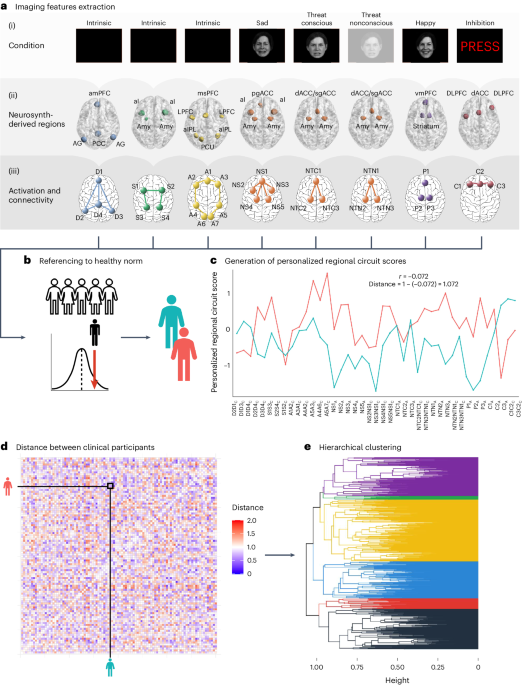
(2024): "There is an urgent need to derive quantitative measures based on coherent neurobiological dysfunctions or ‘biotypes’ to enable stratification of patients with depression and anxiety. We used task-free and task-evoked data from a standardized functional magnetic resonance imaging protocol conducted across multiple studies in patients with depression and anxiety when treatment free (n = 801) and after randomization to pharmacotherapy or behavioral therapy (n = 250). From these patients, we derived personalized and interpretable scores of brain circuit dysfunction grounded in a theoretical taxonomy. Participants were subdivided into six biotypes defined by distinct profiles of intrinsic task-free functional connectivity within the default mode, salience and frontoparietal attention circuits, and of activation and connectivity within frontal and subcortical regions elicited by emotional and cognitive tasks. The six biotypes showed consistency with our theoretical taxonomy and were distinguished by symptoms, behavioral performance on general and emotional cognitive computerized tests, and response to pharmacotherapy as well as behavioral therapy. Our results provide a new, theory-driven, clinically validated and interpretable quantitative method to parse the biological heterogeneity of depression and anxiety. Thus, they represent a promising approach to advance precision clinical care in psychiatry.
The established behavioral intervention mentioned was psychotherapy based on the underlying theories of cognitive behavioral therapy (Scott, et al, 2024). Their conclusions reflect earlier work, "New and emerging approaches to treat psychiatric disorders" (Scangos, et al, 2023) in which researchers write:
Psychiatric disorders are highly prevalent, often devastating diseases that negatively impact the lives of millions of people worldwide. Although their etiological and diagnostic heterogeneity has long challenged drug discovery, an emerging circuit-based understanding of psychiatric illness is offering an important alternative to the current reliance on trial and error, both in the development and in the clinical application of treatments. Here we review new and emerging treatment approaches, with a particular emphasis on the revolutionary potential of brain-circuit-based interventions for precision psychiatry.
Cognitive behavioral therapy, with and without psychedelic medicines including ketamine are part of these brain-circuit-based interventions. Consider this 2024 paper "Spectral signatures of psilocybin, lysergic acid diethylamide (LSD) and ketamine in healthy volunteers and persons with major depressive disorder and treatment-resistant depression: A systematic review”, (Le, et al, 2024) finding similar brain signatures for ketamine and serotonergic psychedelics (SP’s):
Ketamine and SPs are associated with increased theta power in persons with depression. Ketamine and SPs are also associated with decreased spectral power in the alpha, beta and delta bands in healthy controls and persons with depression. When administered with SPs, theta power was increased in persons with MDD when administered with SPs. Ketamine is associated with increased gamma band power in both healthy controls and persons with MDD.
...
Extant literature evaluating EEG and MEG spectral signatures indicate that ketamine and SPs have reproducible effects in keeping with disease models of network connectivity. Future research vistas should evaluate whether observed spectral signatures can guide further discovery of therapeutics within the psychedelic and dissociative classes of agents, and its prediction capability in persons treated for depression.
The evidence for cognitive behavioural therapy in any condition, population or context: a meta-review of systematic reviews and panoramic meta-analysis (Fordham, et al, 2021): "Cognitive behavioural therapy (CBT) has more evidence supporting it than any other psychological therapy
Gia Han Le"Extant literature evaluating EEG and MEG spectral signatures indicate that ketamine and SPs have reproducible effects in keeping with disease models of network connectivity." (2024)
Teletherapy-based CBT has shown comparable, and in some cases superior, efficacy to traditional in-person therapy for depression [157,192,196]. Research has consistently demonstrated significant reductions in depressive symptoms and improved quality of life across diverse patient populations [128,148,173,190]. The flexibility and accessibility of teletherapy, further enhanced by digital tools, are key to its effectiveness, allowing tailored interventions, improved engagement, and better adherence [186]. To optimize teletherapy for personalized care, it is essential to incorporate individualized treatment planning [165], real-time digital monitoring and feedback [128], flexible and supportive communication options [163,188], and advanced technologies [179,181]. The inclusion of human support alongside digital interventions, as in [116,204], has been shown to improve outcomes, and personalized feedback, as emphasized by multiple researchers [171], ensures that treatment remains responsive to the evolving needs of patients.
Benefits of Cognitive Behavior Therapy with Neuroscience-informed Psychoeducation in Young Adult Patients: A Preliminary Study (2024)"Neuroscience-based psychoeducation has the potential of changing perception and enhancing the credibility of CBT and can bring better acceptance and outcome for the CBT process."
Xiangying Wei(2026): "Ketamine, through blocking N-methyl-D-aspartate (NMDA) receptors, has established a new paradigm for rapid-acting antidepressant intervention..." Our review highlights the specific biological changes that drive these effects. Beyond monoamine regulation, key factors include modulation of glutamate and GABA signals, which contribute to the restoration of synaptic plasticity in damaged brain circuits. "

(2026):"findings indicate that cognitive-behavioral strategies have been incorporated into psychedelic-assisted interventions in diverse ways, across different phases of treatment and with distinct therapeutic purposes."
O. Rose Broderick
(2026)
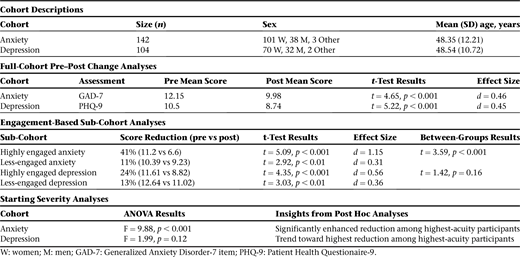
Digital CBT Interventions Predict Robust Improvements in Anxiety and Depression Symptoms: A Retrospective Database Study (Holley, et al, 2024)
 Michael DeMarco, PhD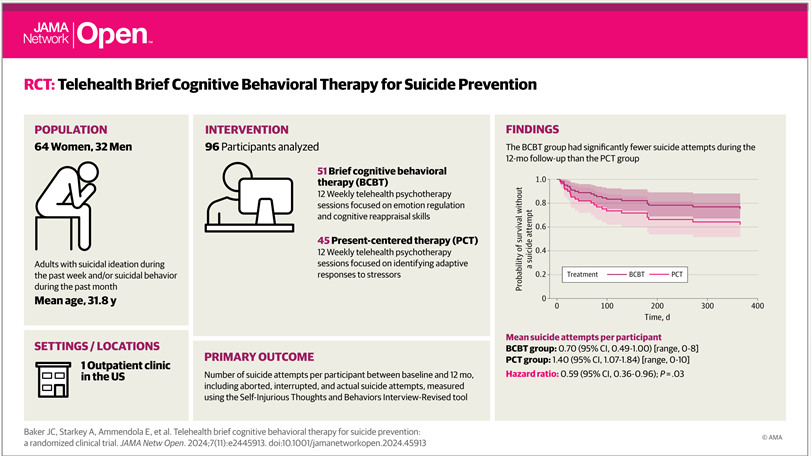
Telehealth CBT for Suicide Prevention JAMA
Jin-Xi Xie
(2025) There is a complex, bidirectional interaction between the gut microbiota and the central nervous system, known as the gut-brain axis. Esketamine, as the right-handed isomer of ketamine, has been approved by the US FDA for the treatment of treatment-resistant depression (TRD), and its rapid antidepressant effect may involve modulation of gut microbiota. In addition, other ketamine isomers (such as R-ketamine) and racemic mixtures (R, S-ketamine) may also affect the gut microbiota through different pathways. This article reviews the potential regulatory mechanisms of ketamine and its isomers on gut microbiota, including anti-inflammatory effects, regulation of neurotransmitter metabolism, and intestinal barrier repair
The Brain-Gut Connection "Psychological interventions like CBT may also help to 'improve communications' between the big brain and the brain in our gut."
Angu Bala Ganesh K S V(2026):"Affective disorders such as depression, anxiety disorders and suicidality are major contributors to global psychiatry. The "chemical imbalance" theory has been traditionally used; however recent research suggests that neurotransmitter dysfunction may represent an important early contributor within a broader, bidirectional cascade of cellular changes. Stress responses and neural circuits are disrupted by dysregulation of the serotonergic, noradrenergic, dopaminergic, GABAergic, and glutamatergic systems, which leads to oxidative stress, excitotoxicity, neuroinflammation, and decreased trophic support. Reduced brain-derived neurotrophic factor (BDNF) signaling, dendritic retraction, synapse loss, and apoptotic susceptibility are the common pathways that result in both amygdala hyperactivity and structural atrophy in the hippocampus and prefrontal cortex. Rumination, fear, anhedonia, cognitive impairment, and suicidal ideation are clinical manifestations of the ensuing circuit failure. This study proposes a unified model of pathogenesis in which increasing cellular damage is driven by neurotransmitter dysregulation, integrating evidence from both the neurochemical and cellular domains. Reassessing the delayed but plasticity-enhancing benefits of SSRIs and SNRIs, the quick synaptic repair brought about by NMDA antagonists like ketamine, and the potential of new drugs that target oxidative stress, inflammation, and glutamate receptor subtypes are some of the therapeutic implications. Lastly, it is highlighted that developing biomarkers for oxidative damage and neuroinflammation is an essential next step in the development of precision psychiatry. This paradigm aims to shift the emphasis from regulating neurotransmitters to promoting cellular resilience and rebuilding brain circuits in order to reimagine the future of treatment for depression, anxiety, and suicidality."
Psychedelic Mental HealthPsychedelic-Assisted Psychotherapy and Mindfulness-Based Cognitive Therapy: Potential Synergies (2023) - clear role in supporting psychedelic process, particularly in psychedelic-assisted psychotherapy, likely to prove extremely useful in the preparation, dosing and integration phases.
Hermany Munguba(2026) Depression is driven by dysfunction in discrete neural circuits, but a deeper understanding of the underlying molecular and synaptic mechanisms is needed to guide the development of therapeutics. Here, we decipher the mechanisms of action of the fast-acting antidepressant ketamine to enable the identification of G protein-coupled receptor (GPCR) antidepressant targets. We find that the behavioral effects of ketamine rely on mu-opioid receptors (MORs), which are enriched in somatostatin-expressing interneurons (Sst+ INs) in the medial prefrontal cortex (mPFC). Chronic stress drives presynaptic hypertrophy of mPFC Sst+ INs and excessive inhibition of pyramidal neurons, which is rescued by ketamine.
Alessandro SpitiNew Antidepressant Development in the Treatment of Depression (Spiti, et al, 2026) "A breakthrough came with N-methyl-D-aspartate (NMDA) receptor antagonists such as ketamine and esketamine, which achieved fast-acting effects and shifted the focus to glutamatergic modulation. Other developments in this area include modulators such as partial agonists, positive allosteric modulators (PAMs), and negative allosteric modulators (NAMs). In addition, gamma-aminobutyric acid (GABA) modulation has gained attention, with neurosteroids such as zurolone (approved for postpartum depression [PPD]) representing a new therapeutic approach. Other new strategies target the opioid system, particularly kappa-opioid receptor (KOR) antagonism, whose role in the treatment of anhedonia and depression is being investigated. Psychedelics, including psilocybin, have come back into focus as potential treatments due to their ability to elicit rapid and sustained antidepressant effects via agonism of the serotonin 2A receptor (5-HT2A)"
Seung-Hoon Lee2026): "Depression and chronic pain frequently co-occur, amplifying disease burden and complicating treatment. Shared mechanisms span immune, neurotransmitter, and neuroplastic domains. Neuroinflammation, characterized by elevated cytokines such as IL-6 (interleukin-6) and TNF-α (tumor necrosis factor-alpha), drives both mood dysregulation and nociplastic pain through microglial activation and central sensitization. Dysregulation of glutamate and gamma-aminobutyric acid (GABA) signaling contributes to excitatory-inhibitory imbalance, while altered BDNF (brain-derived neurotrophic factor) expression links neuroplasticity with pain amplification. Substance P and monoamine disturbances further integrate affective and somatic symptoms. Neuroimaging reveals overlapping dysfunction in prefrontal, cingulate, and limbic networks, providing a unifying framework for pain-emotion interactions. Psychological and social factors, including maladaptive cognitions, emotion regulation deficits, and reduced social support, exacerbate this bidirectional relationship. Clinically, tricyclic antidepressants and SNRIs (serotonin-norepinephrine reuptake inhibitors) demonstrate superior analgesic efficacy compared with SSRIs, particularly in neuropathic pain, fibromyalgia, and irritable bowel syndrome. Novel agents such as ketamine and esketamine show rapid antidepressant and potential analgesic effects. Neuromodulation strategies (rTMS (repetitive transcranial magnetic stimulation), tDCS (transcranial direct current stimulation)) and psychological interventions CBT (cognitive behavioral therapy), mindfulness, ACT (acceptance and commitment therapy)) further enhance outcomes. Together, these findings support a precision medicine approach that integrates biological, psychological, and social determinants. Targeting convergent mechanisms may reduce symptom burden, improve treatment responsiveness, and ultimately enhance quality of life in patients with comorbid depression and chronic pain."
Psychedelic Mental HealthNEUROPLASTICITY AND EMOTIONAL INTELLIGENCE: A PATHWAY TO COGNITIVE RESILIENCE (2026) “Findings demonstrate cultivating emotional intelligence through mindfulness, cognitive behavioral techniques, and social-emotional learning promotes beneficial neuroplastic changes enhancing cognitive resilience.” https://www.researchgate.net/publication/4
Psychedelic Mental HealthSporadic use of classic psychedelics and neuropsychological performance: A cross-sectional analysis (2025) "No cognitive deficits found in sporadic psychedelic users compared to non-users.•Sporadic lifetime use of psychedelics associates with increased cognitive flexibility.•Amount of lifetime psychedelic use predicts degree of increased cognitive flexibility."
FDA: "The MAPS-based regimen may not be generalizable to all types of psychotherapy practices. We recommend using an evidence-based standard of care psychotherapy in lieu of the MAPS-developed psychotherapy in any future studies."
Cognititve behavioral therapy is an evidence-based psychotherapy approach. Psychedelic pharmaceutical companies attempting to patent their own form of psychedelic-assisted psychotherapy risk the same rejections of their treatments as MAPS, due to the non-generalizability. This is not a question of psychotherapy not being evidence-based, but a question of non-evidence based psychotherapy modalities being used in research in lieu of standards of care, namely, cognitive behavioral therapy.
 Mathieu Seynaeve
(2026): "Immediately after dosing, participants commonly described the experience using metaphors of a "reset", "cleansing", or "rebirth", often accompanied by emotional catharsis and rapid shifts in self-perception. They reported increased clarity regarding their relationship with alcohol, enhanced emotional openness, and improved self-compassion and interpersonal connectedness. At the 12-week follow-up, participants who maintained abstinence (n = 5) described the psychedelic experience as a pivotal turning point, facilitating sustained reappraisals of identity, values, and patterns of alcohol use. They also reported greater mindfulness, cognitive flexibility, and emotional acceptance, coupled with enhanced relationship quality, better sleep, increased energy, and overall well-being. Participants who resumed moderated drinking (n = 2) reported similarly increased self-awareness, reduced compulsivity, and greater emotional regulation. Therapist accounts closely corroborated these participant narratives, highlighting observed shifts in psychological flexibility, emotional openness, and adaptive behavioural responses. Therapists also noted that the psychedelic experience enabled rapid relaxation and revision of maladaptive core beliefs and promoted resilience and acceptance, even in participants with initially challenging experiences. Participant and therapist accounts indicate that a single dose of 5-methoxy-N,N-dimethyltryptamine, when embedded in a relapse-prevention cognitive behavioural therapy programme, can support meaningful shifts in self-appraisal, emotional regulation, and behavioural patterns associated with alcohol consumption.
 Michael DeMarco, PhD
 Michael DeMarco, PhD
Research on CBT and psychedelic ketamine therapies 2026

 Michael DeMarco, PhD