
Rational Ketamine Practice and the Current Ketamine Discourse

Chinese Character Gives Insight Into Traditional Chinese Medicine
Medicine is characterized by bitterness, yet a patient is able to regain health and happiness only after suffering its bitterness. This paradox has its root in the Doctrine of the Mean, the Confucian classic that teaches that in order to gain an invincible position, one must determine and hold fast to the “mean,” the middle ground between two extremes.
Such a view enables one to find hope amid adversity, and to exercise prudence amid prosperity. From this principle, it can be seen why happiness 樂 is contained in the bitter medicine 藥.
Oligarch-aligned Wall St Journal has re-released its earlier 2026 ketamine "Wild West" panic piece sensationalizing the complexities involved in working with chemicals as medicines for health and well being, and to the problem of less access to those medicines for all due to the misuse of some. These articles attempt to fearmonger over psychiatric access to telehealth and a medical practitioner's legally granted ability to provide healthcare within their scope of practice and competency as a licensed medical provider. The article claims the FDA has been cracking down on mail-order ketamine businesses, some of which do seem to lack any serious medical oversight or support.
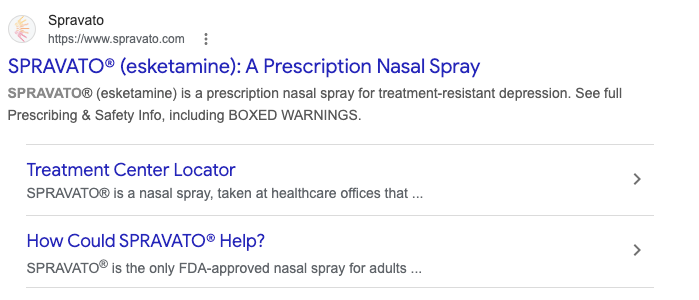
That said, there are advertisements for Spravato that link to medical providers that prescribe intranasal esketamine right next to marketing for iv ketamine clinics, and proper telehealth practices offering evidence-based practice for over 10 years of the use of ketamine in non-clinical (at home, hospice, palliative care, therapist office) settings.
Medical care and mental health treatments can also sometimes not work, or make things worse. Also, patients can misuse their medications, or forget how other medicine treatments they may be working with might interact in a dangerous way. Medicines from Xanax to Prozac to Ambien to Tylenol to Benadryl all have possible negative side effects, and affect a human's state of consciousness.
Ketamine has been prescribed safely in various routes of administration protocols as evidenced in almost 65 years of peer-reviewed scientific research, adding to an over 100 years of study in psychedelic, entheogenic, plant medicine and synthetically-derived psychoactive compounds such as MDMA, LSD, DMT, ibogaine, ayahausca, various strains of psychoactive mushrooms and fungi. (One species of fungi was found to release racemic ketamine when a plant's roots, on which the fungus grows, are attacked by nemotodes. This research is in the process of being replicated.)


Studies continue to show that multi-drug use has been involved in most cases of social harm and deaths associated with ketamine, including the tragic deaths of Matthew Perry and The Vivienne. Ketamine is one of the many medicines misused around the world, and is especially sensationalized in the UK. One problem in addressing this is making sure there is an infrastructure available to inform a ketamine protocol that helps users receive the beneficial effects of ketamine, of which its uses in medicine are many, and commonly studied and described in the scientific literature. Of course two wrongs do not make a right, however for some context, it takes 8 or 9 Tylenol for a fatal overdose. Acetaminophen is one of the most commonly consumed drugs in the world, and has a host of possible adverse effects when misused, including increased risk-taking behavior ... as well as some indications for use as a medicine in humans and animals.
"Acetaminophen, an analgesic and antipyretic available over-the-counter and used in over 600 medicines, is one of the most consumed drugs in the USA. Recent research has suggested that acetaminophen’s effects extend to the blunting of negative as well as positive affect. Because affect is a determinant of risk perception and risk taking, we tested the hypothesis that acute acetaminophen consumption (1000 mg) could influence these important judgments and decisions. In three double-blind, placebo-controlled studies, healthy young adults completed a laboratory measure of risk taking (Balloon Analog Risk Task) and in Studies 1 and 2 completed self-report measures of risk perception. Across all studies (total n = 545), acetaminophen increased risk-taking behavior. On the more affectively stimulating risk perception measure used in Study 2, acetaminophen reduced self-reported perceived risk and this reduction statistically mediated increased risk-taking behavior. These results indicate that acetaminophen can increase risk taking, which may be due to reductions in risk perceptions, particularly those that are highly affect laden."
 Josh Halliday
Found in the bath, "A report from a toxicologist, Dr Kerry Taylor, said tests showed a relatively high level of ketamine, but not at a level normally causing death. However, the drug can cause drowsiness, seizures and heart stimulation, and the concentration may have dissipated over time."
 Andrew Dalton, Associated Press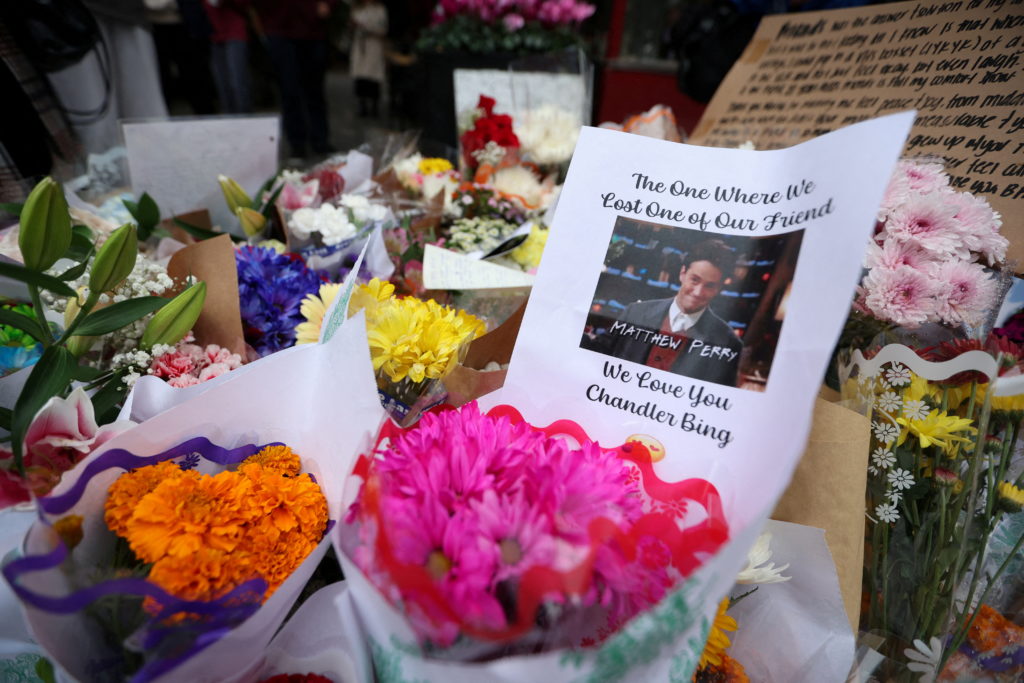
Found in the hottub, "The report says coronary artery disease and buprenorphine, which is used to treat opioid use disorder, also contributed."
 Charles Miller and Bryan Lopes and Anna McCurdy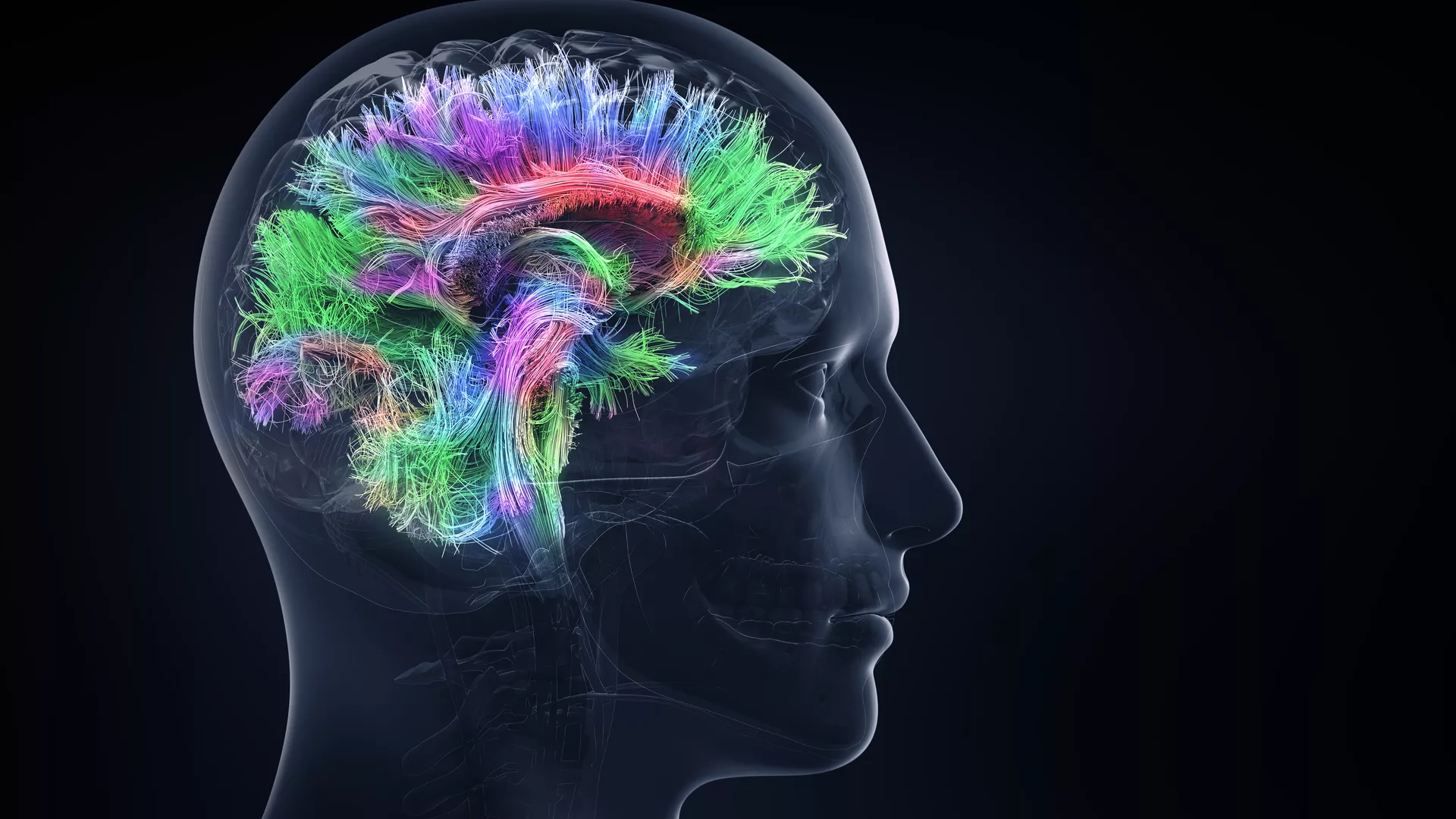
From Tennessee: "Confusion between therapeutic ketamine and psychedelic pseudoscience poses a significant risk to the legitimate use of psychoplastogens in treating mental health, chronic pain, and neurocognitive disorders. The growing influence of psychedelic advocacy groups, “thought leaders”, and integrative practitioners has created an environment where narratives and beliefs often eclipse mechanisms. Organizations such as the Multidisciplinary Association of Psychedelic Studies (MAPS) and the American Society of Ketamine Physicians, Practitioners, and Psychotherapists (ASKP3), while advancing awareness, have also contributed to the self-reinforcing misinformation systems that prioritize the subjective experience. This shift has begun to obscure the measurable and mappable effects that psychoplastogens can have on the brain, reducing their legitimacy and potential in the eyes of skeptical clinicians and researchers."
In 2025, there was a piece attempting to discredit over 100 years of psychedelic and mental health science literature, as it pertains to the human experience, alongside psychotherapy or some other form of human support, which made claims, but was light on research.
When people are struggling with thoughts, feelings, behaviors, and bodies, you can't just give someone a psychoplastogen, and have them work it out for themselves. When people are struggling, or not, they tend to report experiences we have started calling "psychedelic", a term coined in the middle of the last century. There is no lie to perpetuate. Ketamine is affecting neural circuitry as it is active in the body, in a way that has been shown to be similar to DMT.
Also in 2025, "The DMT harmonic signature is analogous to the ones elicited by LSD and ketamine, and opposite to the signatures of anaesthesia and disorders of consciousness.” N,N-dimethyltryptamine effects on connectome harmonics, subjective experience and comparative psychedelic experiences (2025). This is sometimes described as an entropic state, or increase in entropy or chaos, when observed in brain scans. As it turns out, while that is happening, the humans under these medicines are having subjective, psychedelic experiences.
Ketamine practitioners and physicians who experience the medicine describe it as psychedelic, as do patients. These people across time and cultures describe profound mystical experiences in predictable doses, by mouth or other route, and the preparation, support and integration of this human experience with another human has been shown to lead to better outcomes. Ketamine was named a "dissociative anesthetic" by the wife of one of the chemists who first synthesized it, due to its psychedelic nature and the negative views of psychedelic medicines during that era in history.

In 1962, Calvin Stevens synthesized ketamine. Two years later, Edward E Domino and Guenter Corssen of the University of Michigan led the first human studies. Domino told his wife, Antoinette, that his subjects seemed "disconnected from their environment," to which she replied, "Why don't you call it a dissociative anesthetic?"
 Michael DeMarco, PhD
There is no collective lie that ketamine is a psychedelic. Hundreds of peer-reviewed journal articles spanning cultures and decades have described this. Psychedelic medicines, of which ketamine is one, will show increased brain entropy in brain scans, and other measurable changes in the body- and there is an EXPERIENCE of that. That FEELS LIKE something. Your consciousness is experiencing that. Check out this page for an ongoing review of the many many journal articles describing ketamine as a psychedelic medicine in its various routes of administration, and indications.
 Kwonmok Ko and Gemma Knight and James J. Rucker and Anthony J. Cleare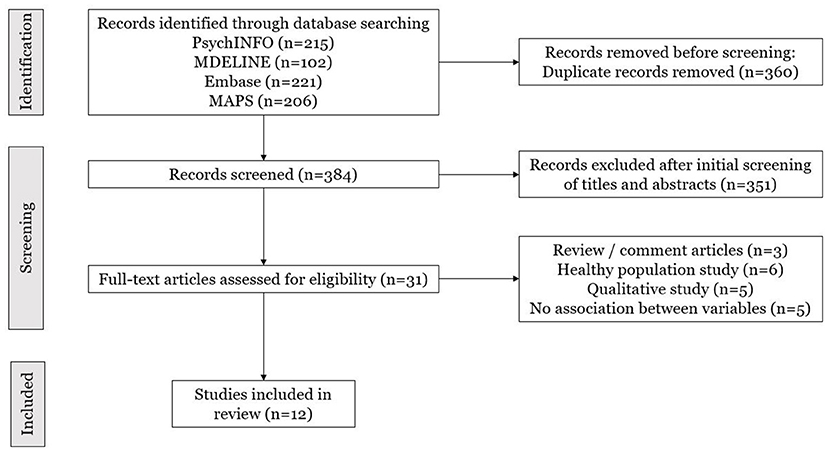
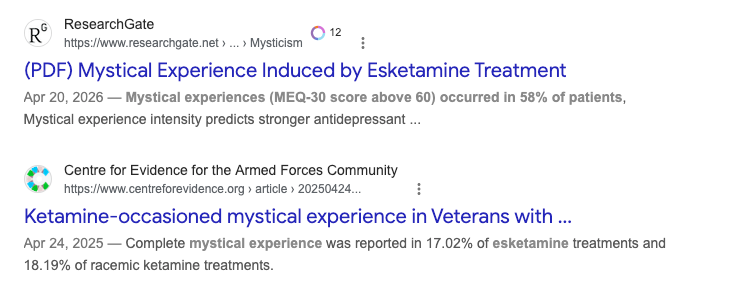
Ketamine in particular has strong psychedelic features. All have induction of mystical experience as a shared feature, including MDMA. and ketamine. Mystical experience may have a relationship to psychedelic therapy outcome as some studies have indicated an application of the former may result in ‘abrupt, substantial, and sustained changes in behavior and perception' (2022)
 Michael DeMarco, PhD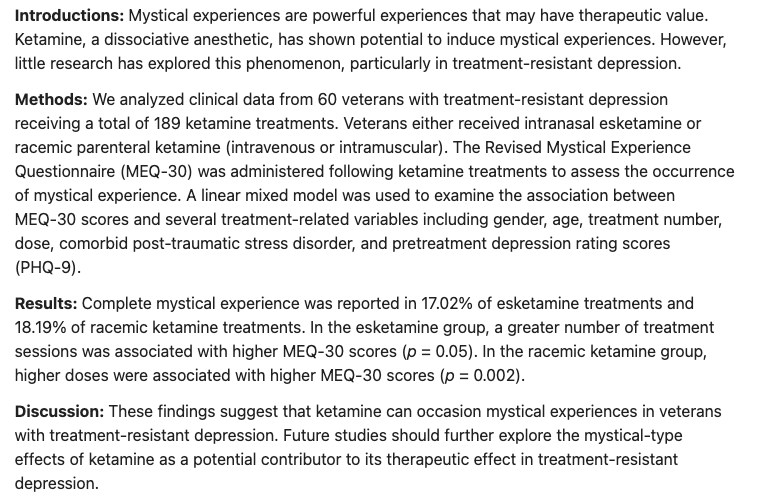
Even veterans describe mystical, psychedelic experiences with ketamine therapy.


The experience of this medicine in a setting and context with support, has been an important part of the human experience, as described in western scientific literature since the late 1800's.
 Michael DeMarco, PhD
Cognitive behavioral ketamine psychedelic therapy - reviewing the literature
In the "Ketamine Wild West" Reddit-sourced, WSJ article, they report on a patient who had already been prescribed Xanax, who forgot and then combined her prescribed ketamine which she accessed through telehealth. While this was undoubtedly scary, what they miss is that Xanax is also commonly prescribed via telehealth as well as in clinic, and can lead to poor outcomes when misused, such as combining Xanax with your ketamine medication, which undoubtedly your clinicians have told you, as well as your pharmacist, is contraindicated.
 Contributors to Wikimedia projects
There are many dangerous possibilities in prescription Xanax, according to the wiki. "he Centers for Disease Control and Prevention (CDC) reported an 89 percent increase in emergency room visits nationwide related to nonmedical benzodiazepine use between 2004 and 2008.[115][116]"
Why not include the details of the Xanax prescription? This medicine has also been prescribed by telehealth in the United States, and is available to "do" at home. It is much more outrage-inducing to write about the "horse tranquilizer club drug" that is causing chaos and death.
To review:
The internet, and ai slop sites like Reddit, are not representative of real-world population. Sampling reddit-users experiences to perpetuate inaccurate views on healthcare access is wrong.
Studying Reddit: A Systematic Overview of Disciplines, Approaches, Methods, and Ethics (2021)
We discuss how researchers need to consider the impact of Reddit’s algorithms, affordances, and generalizability of the scientific knowledge produced using Reddit data, as well as the potential ethical dimensions of research that draws data from subreddits with potentially sensitive populations.
Ketamine is a treatment for off-label mental health indications, pain management, and substance use indications in it's well-studied generic version, as prescribed by licensed medical providers since the early 1970's.
Medical providers are able to prescribe medications off label, which have been used for a government-approved indication, such as FDA-approved racemic ketamine via IV for anesthesia. Due to the 63 years of research on ketamine for a number of medical uses, in a range of routes of administration and clinical and non-clinical settings, licensed medical providers may prescribe this medicine for one of those off-label indications.
In the US, alprazolam (Xanax) is indicated for the treatment of generalized anxiety disorder and panic disorder with or without agoraphobia.[8][9]" but also is prescribed off-label for chemotherapy-induced nausea and vomiting. Even if a patient is prescribed Xanax in person in the office, they are still going to take it at home, with no REMS (risk management strategy), although alprazolam may be misused and causes an altered state of consciousness.
Telehealth has been offered by clinicians since the early 2000's, peaking during COVID, and continues in 2026. Specialist and clinician groups have advanced training and practice in using specific, evidence-based approaches according to their scopes of practice, and competency, while media claims "proliferation of ketamine clinics and at-home therapy", tying increased access to mental health care to cases of misuses.
Should someone who is suffering from chemotherapy-induced nausea and vomiting not be given alprazolam, even though it does help them? It may cause dependence and an altered state, should it only be given over 2 hours at the office of a psychiatrist? Should this person have to get themselves to an office while in acute nausea and vomiting at home? Incidentally, chemotherapy may lead to a pulmonary embolism. Should chemotherapy be banned altogether because of risk of harmful side-effects?
Sensationalized articles grasp on to other trending outrage triggers like the standard 15 minute American medical visit as dictated by oligarch-owned insurance companies as being something unique to ketamine, while positioning access to generic ketamine as a danger, and limiting it's use to more medically-advanced protocols in clinics, such as iv-ketamine, injectable ketamine and intransal esketamine sold as Spravato in the US.


Postmarketing safety data collected from the SPRAVATO Risk Evaluation and Mitigation Strategy (REMS) program and Janssen US Global Medical Safety (US-GMS) database between 5 March 2019 and 5 January 2024, reported 228 deaths, of which 70 deaths were due to suicide. No deaths were attributed to SPRAVATO by the GMS medical team; however, not all cases could be adequately assessed.11,12 In an analysis of postmarketing safety data for SPRAVATO (first quarter of 2004 to second quarter of 2023) from the Food and Drug Administration Adverse Event Reporting System (FAERS) database, 218 deaths were reported, of which 83 were due to suicide. Limitations of the database preclude the ability to demonstrate causality.13,14
 Michael DeMarco, PhD
RELATED: Ketamine clinic proliferation or increased access to modern, effective, care
It is a tragedy when an individual has adverse effects to working with a chemical compound they had hoped would be the medicine for their particular pain and suffering. It is especially tragic when misuse of the medicine leads to personal and/or social harm. Deaths have been attributed to Xanax, Prozac, ketamine, Tylenol, ayahausca, mushrooms, LSD, chemotherapy, yet this does not negate the facts that these medicines have helped countless people for over half a century, and that racemic ketamine has been administered safely to billions of people around the world since 1962. Billions of administrations that have reduced suffering and saved lives. Add to that the billions of administrations in non-prescribed settings.
 Annie Jeffery
We included 5222 cases with a recorded date of death, and 18 675 controls, observed for a median of 7 years. Increased rates of all-cause mortality were associated with any antidepressant prescribing during the observation period (incidence rate ratio 2.77, 95% CI 2.48–3.10). These results were consistent across all causes of mortality that we investigated.
 Alejandro Josan
Reportedly, ayahuasca centers or groups are not regulated by the Peruvian government. “Aside from the negative health effects, U.S. citizens in Peru have also recently reported being sexually assaulted, injured, or robbed while under the influence of these dangerous substances at “healing” or “retreat” centers,” the U.S. Embassy in Peru added.
There is always a possibility that ingesting something into your body may harm you. Deaths have also been attributed to extra-caffeinated drinks, and spicy chips.
Study continues, and investments made on pharmaceutical companies release of ibogaine, 5-MEO-DMT, LSD, DMT, psilocybin, esketamine, ketamine without harmful preservatives, ketamine by mouth, extended-release ketamine, MDMA, and other compounds falling under the category of psychedelic medicine.



 Kush V Bhatt
Real-World Effectiveness and Cost-Differential of Intranasal Esketamine Versus Intramuscular Ketamine (Bhatt, et al, 2026) https://pubmed.ncbi.nlm.nih.gov/42500270/ IM ketamine was non-inferior to IN esketamine for depression...Incidence of sentinel adverse events were comparable, with no significant differences in emergency department visits or hospitalizations. Cost analysis revealed a significant disparity: the total cost per eight-treatment course was $6069 for IN esketamine (Spravato) versus $647 for IM ketamine
 Michael DeMarco, PhD
 Michael DeMarco, PhD
 Michael DeMarco, PhD
 Michael DeMarco, PhD
 Michael DeMarco, PhD
 Michael DeMarco, PhD
 Michael DeMarco, PhD
 Michael DeMarco, PhD
 Michael DeMarco, PhD
 Psychedelic Institute
 Michael DeMarco, PhD
 Tor-Morten Kvam and Lowan H. Stewart and Andreas Wahl Blomkvist and Ole A. Andreassen
The adverse effects of ketamine are mainly of a mental, cognitive, neurological, urogenital or haemodynamic nature. They are dose-dependent, mild and most often transient – serious adverse effects are rare (13). The most common adverse effects usually subside within a few hours after the treatment, and include dissociation, increased pulse rate and blood pressure, blurred vision, sedation, headache, restlessness, dizziness and nausea. The patient should be thoroughly informed in advance of the possibility of dissociation and psychotomimetic effects. Iatrogenic ketamine addiction is rarely observed in outpatient administration of ketamine for treatment of depression, but is a factor to be aware of. Ketamine has been thoroughly tested as an anaesthetic, and the risk of a cardiovascular or respiratory effects in subanaesthetic doses when used for treatment of depression is considerably lower than when used in anaesthesia.
Sara Sagui Henson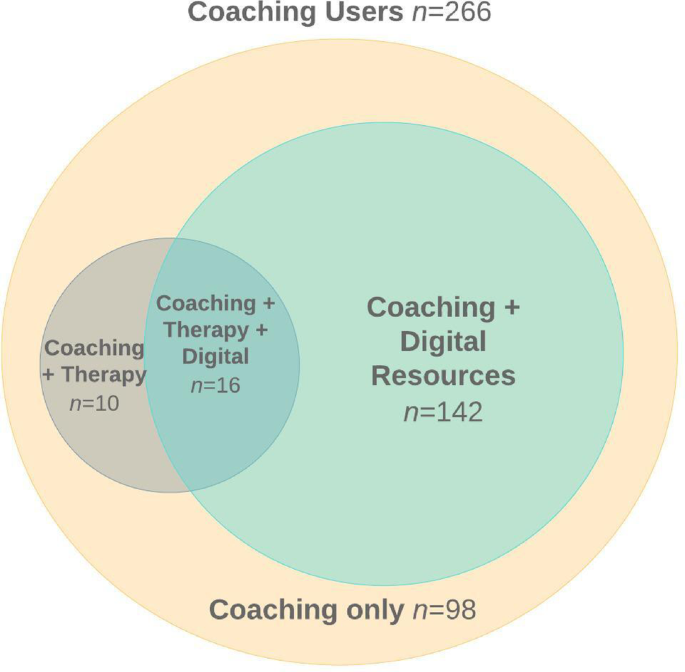
(2025) Technology-enabled coaching, as part of a blended care platform, improved depression, anxiety, and transdiagnostic emotional processes. Participants with higher baseline depression and anxiety reported greater improvements, highlighting coaching’s effectiveness for people with elevated needs. By redefining care and leveraging technology, coaching may be a scalable treatment solution.


Telepractice includes the use of telecommunications and web-based applications to provide assessment, diagnosis, intervention, consultation, supervision, education and information across distance. It may include providing non-face-to-face psychological, mental health, marriage and family, creative arts, psychoanalytic, psychotherapy and social work services via technology such as telephone, e-mail, chat and videoconferencing. In New York State, a practitioner must hold a New York license, or be otherwise authorized to practice, when providing professional services to a patient located in New York or when the practitioner is located in New York.
Antidepressant use and stroke or mortality risk in the elderly (2021)
During antidepressant recent-use and past-use, both stroke and mortality risks were significantly increased compared to no antidepressant use.
Bioavailability and safety of diazepam intranasal solution compared to oral and rectal diazepam in healthy volunteers (2020) – Diazepam, known as Valium, has been deemed safe enough to prescribe for at home use, as well as for in-clinic use in different routes of administration. Diazepam alters consciousness, and is also misused and sometimes abused, and also a medicine that is commonly prescribed for at home use by telehealth as indicated by a licensed medical provider and licensed pharmacist.
Note similar claims being made about restricting access to racemic ketamine or esketamine to medical clinics.
 Ileana Fernandez
 Kathryn Bermingham
 Erowid
 Bruce Y. Lee
In fact, the U.S. Drug Enforcement Administration (DEA) still considers 5-MeO-DMT a Schedule I controlled substance. That mean’s that it’s illegal to manufacture, buy, possess, or distribute this substance. There is still no approved medical use of The Toad. Plus, the DEA ruling from December 20, 2010 stated that, “There have been reports of emergency room admissions and a death associated with the abuse of 5-MeO-DMT.” It also indicated that 5-MeO-DMT has “a high potential for abuse” because “behavioral effects of 5-MeO-DMT in animals and humans were found to be similar to those of the schedule I hallucinogens.”
 Andrew Clayman