
Psychedelic Therapy & Mental Health


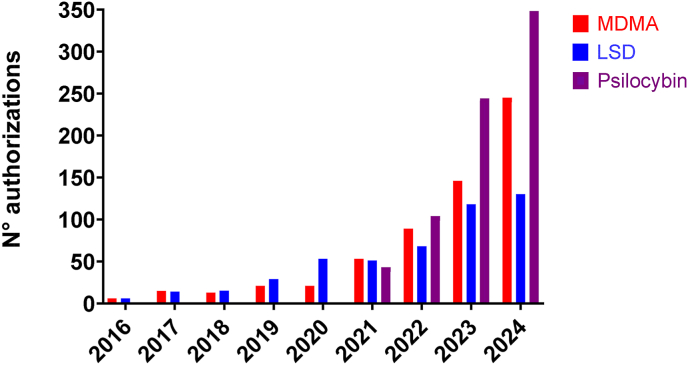
The Swiss Model is the longest ongoing model of psychedelic therapy. Researchers write (2025): "Notably, a responsible physician, particularly at a larger clinic, can delegate the treatment or parts of the treatment to other physicians in their clinic or practice but also to non-physicians (e.g., psychologists, psychotherapists, and nurses who are experienced with substance effects). However, the legal responsibility for treatment lies fully in the hands of the treating physician. Most providers are psychiatrists. Other medical specializations or sub-specializations include anesthesia, pain medicine, internal medicine, general medicine, palliative care, neurology, psychosomatics, addiction medicine, pharmacology, and others. Psychedelic-assisted therapy typically includes one or several preparatory visits, one or several treatment visits, and one or several integration visits, depending on the setting, patient, and physician. As a minimal legal requirement, the preparatory visits include information about potential (adverse) effects of the substance, and written informed consent always needs to be obtained before applying for authorization. Treatment sessions can be conducted in a single-patient or group therapy setting. Single-patient sessions are typically conducted by one session monitor/therapist only, whereas group sessions are conducted by several therapists. There is no minimally required number of therapists for either single or group treatments. Depending on the disorder and setting, the number of preparatory, treatment, and follow-up visits may vary. Legally and as outlined in the next paragraph, the term PAT as used herein and in the Swiss PAT program and law does not necessarily include psychotherapy. Psychedelic-assisted therapy refers only to the (safe) use of the controlled substance to treat a medical condition. Thus, psychotherapy is not a prerequisite to be combined with PAT, although it is typically used before and after PAT, particularly in the treatment of psychiatric patients. The extent to which psychotherapy is used and the type of therapy that is employed vary considerably between PAT providers, settings, and treatment indications within the Swiss limited medical use program."
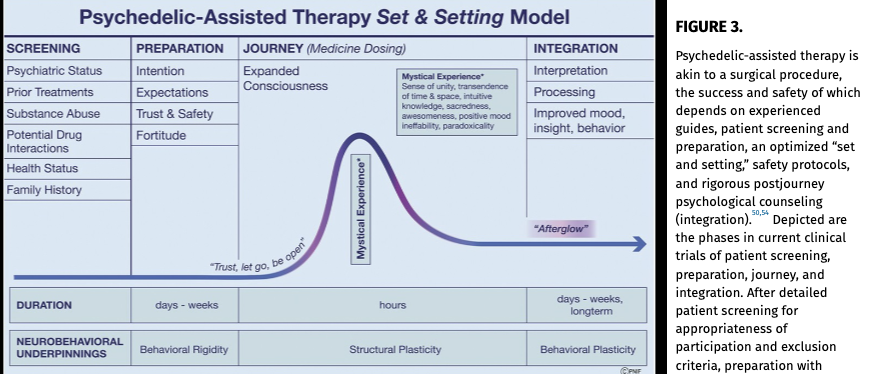
Psychedelic therapy can have a meaningful effect on your ongoing mental health and well-being. There are various modalities which may help prepare you for the experience of working with a psychedelic medicine, support you during your experience, and help you integrate and make sense of your experience afterwards and apply it to your daily life. These modalities include psychotherapy and psychiatry which diagnose and treat mental illness, as well as life coaches, wellness coaches, spiritual practice, somatic (body) practice including massage and somatic experiencing.
 James J. Rucker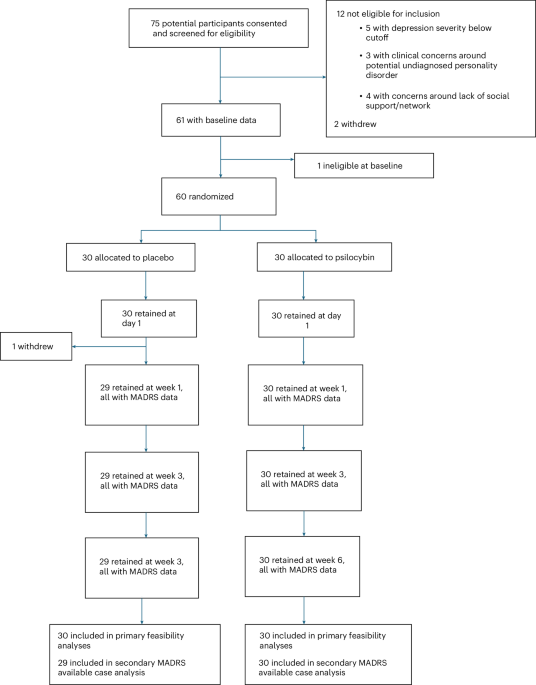
(2026): "This study of psilocybin assisted-therapy for TRD—to our knowledge, the first RCT in this population to assess feasibility in an NHS setting in England—found significantly greater improvements in depressive symptoms in the active treatment arm compared to placebo, maintained at 3-week and 6-week follow-up. Psilocybin administration was well tolerated: AEs were mostly mild in severity and resolved by the end of the trial, and clinical safety scales measuring suicidality and mania did not show substantial changes across time. SAEs in all cases where a participant received psilocybin were deemed unrelated to the treatment. Recruitment, retention and measure completion metrics supported the feasibility of the trial design."
Cultures and communities around the world support the psychedelic experience through what Westerners generally call shamanic practices, although many of these healers would not use that label. In Western medicine, the support for this type of medicine work has been studied and practiced in conjunction with specially trained psychotherapists, chaplains, facilitators, guides and coaches.
Research spanning more than 100 years suggests that medicines that elicit the psychedelic experience may have an ongoing positive psychological benefit. Psychedelic-assisted therapy is currently being shown in studies to improve some chronic and persistent mental health issues including anxiety, treatment-resistant depression, post traumatic stress disorder (PTSD), and end-of-life / death anxiety in people with chronic and/or terminal illnesses, chemical dependency issues and eating disorders.

PLEASE NOTE: CLINICAL TRIALS THAT INCLUDE PSYCHEDELIC MEDICINES ARE NOT MENTAL HEALTH TREATMENTS, THEY ARE SCIENTIFIC STUDIES HTTPS://CLINICALTRIALS.GOV/
Curated web resources are not a replacement for licensed medical or mental health treatment.
 R L Carhart-Harris
“psychedelics reduce the weight of held beliefs and increase the weight of incoming sensory input, allowing the beliefs to be more readily changed by the new sensory information”— Carhart-Harris & Friston 2019 – REBUS and the Anarchic Brain
Michael DeMarco, PhD
5 Year Review of the literature describing ketamine as a psychedelic medicine
 Reinhard Janssen-Aguilar
(2025) Posttraumatic stress disorder (PTSD) is a severe, often difficult-to-treat condition, highlighting the need for innovative therapies. Interventional treatments, including neuromodulation, rapid-acting pharmacotherapies such as intravenous ketamine (IV-KET) and esketamine (ESK), and emerging psychedelic-assisted psychotherapies, offer promising solutions. This systematic review evaluates the efficacy, safety, and future research priorities of these treatments for PTSD.
Michael DeMarco, PhD
Mental health providers have offered telehealth for decades before the pandemic. Some practitioners specialize in psychedelic therapy in person in your home, in an office, or remotely via video conferencing. Out-of-clinic ketamine has been prescribed off-label for decades, largely made by compounding pharmacies, for pain management and in psychiatry. At-home ketamine from companies that are price-gouging for a 15 minute medical visit to get a prescription for a generic drug that's been used in billions of humans and animals since the 1960's in various settings– and leaving you to it, is NOT the same as ketamine-assisted psychedelic therapy done in an office, at home, or any other setting standard in the field.
 Patrick McConnell
“We want for there to be greater knowledge of these ancestral plant medicine practices so that they do not become forgotten, and we believe that they are not the exclusive domain of anyone,” says Lu. “Yet, with availability and education, we also do not want for them to become so widespread that their origins are forgotten, taken for granted, or culturally appropriated.”
 Michael DeMarco, PhD
5 years review of the literature
Writer, Michael Pollan shares his experience in researching and exploring consciousness, including working with psychedelic medicines
Psychedelic Therapy Experience
Preparation, Support, and Integration
 Michael DeMarco, PhD
Psychedelic integration is about bearing witness and making meaning that lasts beyond the ayahuasca ceremony, magic mushroom velada, religious experience, meditation retreat, dream work, sexual ecstatic experience, or k-hole. These experiences may sometimes be considered mystical experiences or transpersonal experiences. Integration involves mind, body, heart (relational) and spirit (consciousness) and may involve psychotherapy, coaching, massage, relationship counseling and other practices which support mental health and wellness. Psychedelic therapy may involve therapists, chaplains, nurses, curanderas, doulas, or other types of psychedelic specialists.
In psychedelic medicine practice, the psychedelic practitioner helps you apply what might be helpful as your experience continues to unfold before, during and after working with the medicine to maintain a sense of self-actualization that may result from transcendent experiences.
Integration is learning to come to a deep understanding from within
What Maslow called “peak experiences”, and neuroscience calls increased brain entropy and ego-dissolution, seems to lead people to what Rational Emotive Behavior Therapy would call a "radical philosophical shift", and neuroscience calls neuroplasticity.
Integration may start with support from a mental health provider and be maintained by support in a variety of mind, body and/or philosophical/spiritual approaches for ongoing mental health practice at home as discussed with your medical providers.
 Michael DeMarco, PhD
 Michael DeMarco, PhD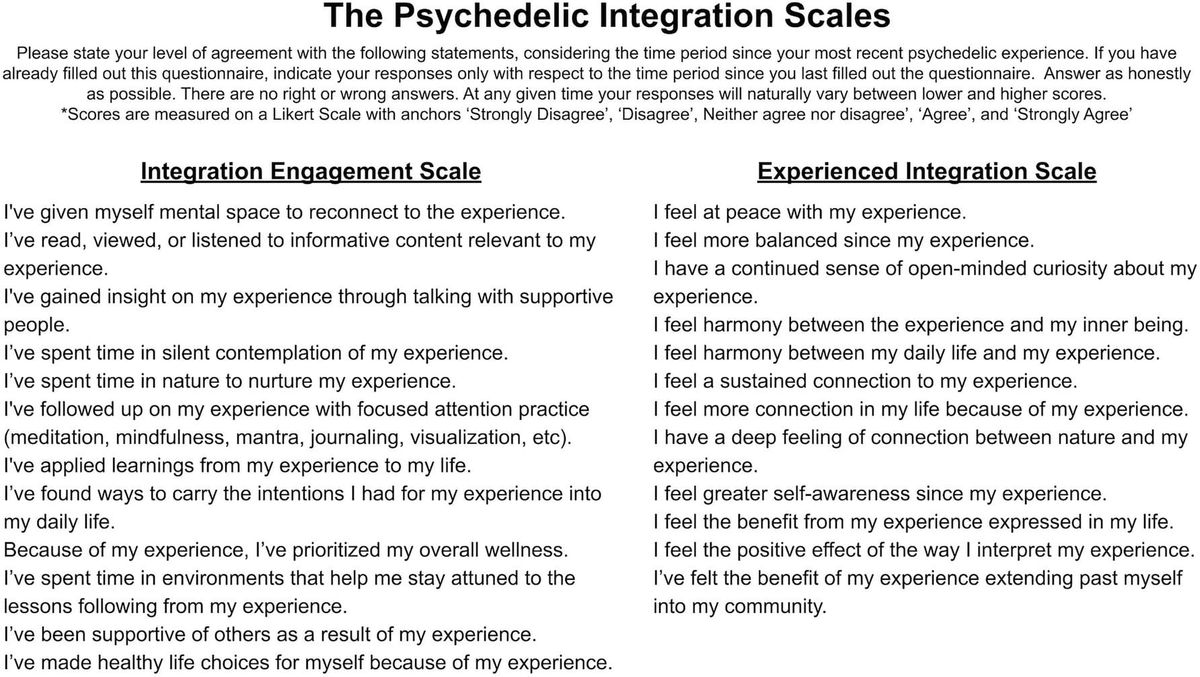

DEVELOPMENT AND PSYCHOMETRIC VALIDATION OF A NOVEL SCALE FOR MEASURING ‘PSYCHEDELIC PREPAREDNESS’ (2024) Significant differences between those scoring high and low (on psychedelic preparedness) before the psychedelic experience were found on measures of mental health/well-being outcomes assessed after the experience, suggesting that the scale has predictive utility.
 Geoff J Bathje
PSYCHEDELIC INTEGRATION: AN ANALYSIS OF THE CONCEPT AND ITS PRACTICE (BATHJE, ET AL, 2020)
KETAMINE AND THE CONSCIOUS MIND (1972)
It is a matter of opinion whether or not a chemically induced transcendental experience should be available to anyone who desires it, but to induce such a state when it is not requested by the patient is a different ethical problem.
 David S Mathai
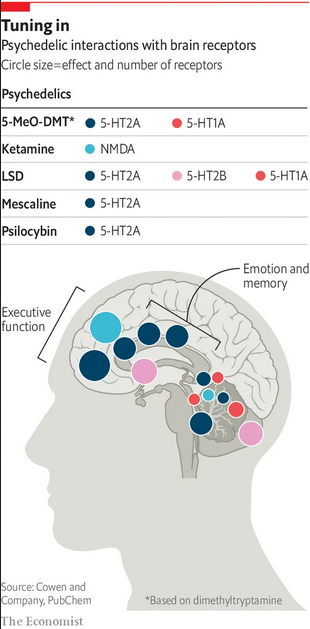
TOWARD SYNERGIES OF KETAMINE AND PSYCHOTHERAPY (MATHAI, ET AL, 2022) Finally, it is valuable to recognize the similarities between ketamine and classic (serotonergic) psychedelics such as psilocybin and lysergic acid diethylamide (LSD), which produce overlapping subjective phenomena in spite of diverging pharmacological mechanisms of action (Bowdle et al., 1998; Studerus et al., 2010). For classic psychedelics, it is well-established that a subset of psychoactive effects, often referred to as mystical-type effects and characterized by a sense of unity, predict greater therapeutic response across a variety of conditions such as depression, existential distress, and substance use disorders (Garcia-Romeu et al., 2014; Griffiths et al., 2016; Roseman et al., 2018). Interestingly, it has been hypothesized that the same mechanisms that drive the efficacy of these treatments may also be responsible for dose-dependent psychiatric risks, like that of psychosis (Haarsma et al., 2021). However, the relevant psychoactive effects of classic psychedelics appear to be optimized in careful experimental conditions that consider the benefit, safety, and tolerability of such (Johnson et al., 2008; dos Santos et al., 2018). While similar optimization has not been pursued for ketamine, increasing research suggests that mystical- and peak-type experiences, such as measured by the Hood Mysticism Scale (HMS) and 11D-ASC questionnaire, increase the likelihood of various therapeutic benefits (Dakwar et al., 2014, 2018; Mollaahmetoglu et al., 2021; Rothberg et al., 2021; Sumner et al., 2021).
David S MathaiPreliminary evidence demonstrates that Ketamine-Assisted Psychotherapy (KAP) can significantly improve depression, demoralization and existential distress in seriously ill people. We will discuss: 1. the history and science of psychedelics; 2. ketamine pharmacology, and KAP indications and delivery models; 3. putative KAP mechanisms of action; and 4. examples of KAP program development, including making the case, potential obstacles, and creative solutions.


COMBINING KETAMINE AND PSYCHOTHERAPY FOR THE TREATMENT OF POSTTRAUMATIC STRESS DISORDER: A SYSTEMATIC REVIEW AND META-ANALYSIS (PHILIPP-MULLER, ET AL, 2023) Pharmacologically enhanced psychotherapy is one potential means of prolonging ketamine’s effects, with the class of psychedelic medications (in which ketamine is included) yielding encouraging results
 [email protected]
PSYCHEDELIC-ASSISTED THERAPY AND PSYCHEDELIC SCIENCE: A REVIEW AND PERSPECTIVE ON OPPORTUNITIES IN NEUROSURGERY AND NEURO-ONCOLOGY (DANIEL, ET AL, 2023)
[email protected]"the psychedelic-induced state seems to allow one to recollect and process deep autobiographical information, achieve new understandings of one's self and relationships with others, and gain greater appreciation of one's place within the cosmos.5,61,62 This state is closely linked to the concept of “mystical experience” which in multiple studies with classic psychedelics predicts therapeutic efficacy.9,11,45,47,55 “Ego dissolution” is another term used to describe a loss of the usual sense of self as separate entity.13 The quality and degree of psychedelic-induced ego dissolution and mystical experience are typically measured in clinical trials with validated psychometric instruments such as the 5-Dimensional Altered States of Consciousness Questionnaire and the Mystical Experience Questionnaire.9,11,45,47,49,55,61
 Jennifer Dore
(2019): "Currently, ketamine is the only legal psychedelic medicine available to mental health providers for the treatment of emotional suffering. Over the past several years, ketamine has come into psychiatric use as an intervention for treatment resistant depression (TRD), administered intravenously without a psychotherapeutic component. In these settings, ketamine's psychedelic effects are viewed as undesirable "side effects." In contrast, we believe ketamine can benefit patients with a wide variety of diagnoses when administered with psychotherapy and using its psychedelic properties without need for intravenous (IV) access. Its proven safety over decades of use makes it ideal for office and supervised at-home use. The unique experience that ketamine facilitates with its biological, experiential, and psychological impacts has been tailored to optimize office-based treatment evolving into a method that we call Ketamine Assisted Psychotherapy (KAP). This article is the first to explore KAP within an analytical framework examining three distinct practices that use similar methods. Here, we present demographic and outcome data from 235 patients. Our findings suggest that KAP is an effective method for decreasing depression and anxiety in a private practice setting, especially for older patients and those with severe symptom burden."
 Max Wolff
 George M. Slavich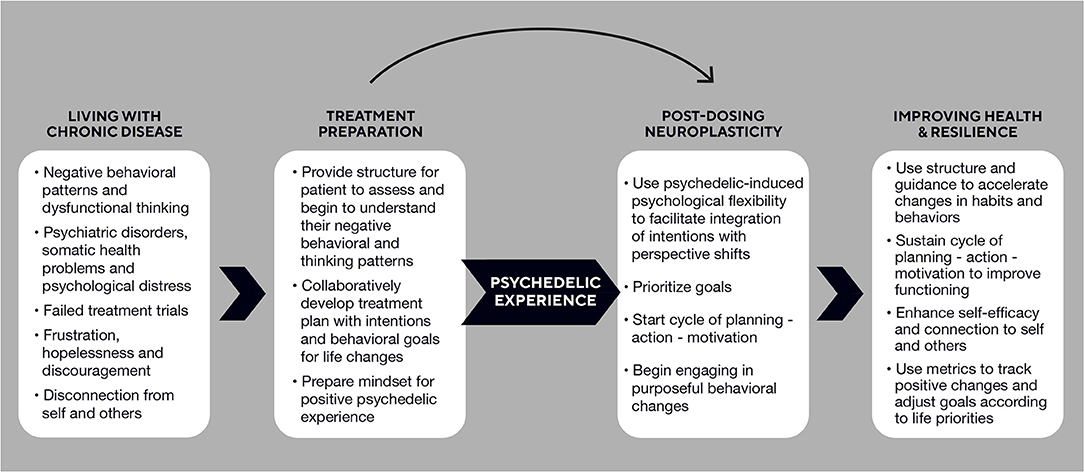
 Mary M. Sweeney ,
COMPARISON OF PSYCHEDELIC AND NEAR-DEATH OR OTHER NON-ORDINARY EXPERIENCES IN CHANGING ATTITUDES ABOUT DEATH AND DYING (SWEENEY, ET AL, 2022)
 Debra Melani

Neuroscience of Ketamine, Psychedelics
Mechanisms of action, neuroplasticity, Default Mode Network (DMN)
 Michael DeMarco, PhD
 Michael M. Schartner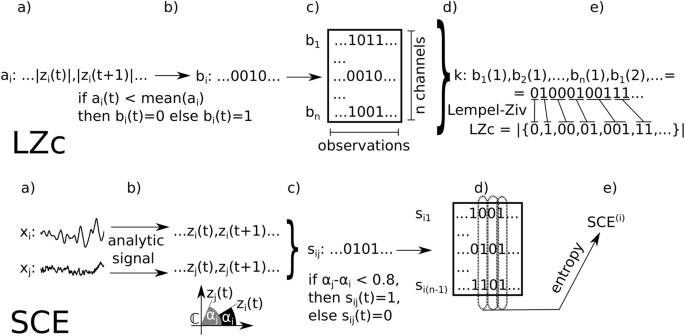
INCREASED SPONTANEOUS MEG SIGNAL DIVERSITY FOR PSYCHOACTIVE DOSES OF KETAMINE, LSD AND PSILOCYBIN (SCHARTNER, ET AL, 2017) "Here we compute these measures for spontaneous magnetoencephalographic (MEG) signals from humans during altered states of consciousness induced by three psychedelic substances: psilocybin, ketamine and LSD. For all three, we find reliably higher spontaneous signal diversity, even when controlling for spectral changes. This increase is most pronounced for the single-channel LZ complexity measure, and hence for temporal, as opposed to spatial, signal diversity. We also uncover selective correlations between changes in signal diversity and phenomenological reports of the intensity of psychedelic experience. This is the first time that these measures have been applied to the psychedelic state and, crucially, that they have yielded values exceeding those of normal waking consciousness. These findings suggest that the sustained occurrence of psychedelic phenomenology constitutes an elevated level of consciousness - as measured by neural signal diversity.
 Sam Vesuna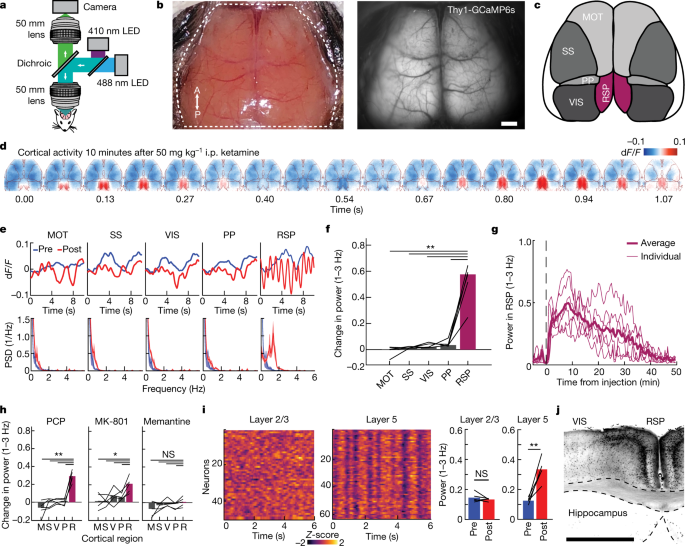
DEEP POSTEROMEDIAL CORTICAL RHYTHM IN DISSOCIATION (2020) Dissociation in human beings is a self-reported state of mind, and no experimental technique in rodents or in humans can currently define this subjective experience in full. However, the clinically guided paradigm reported here could provide a framework of behavioural, optical and physiological tools to enable exploration of the neural activity that underlies dissociative states (Vesuna, et al, 2019).
 Rui Dai
CLASSICAL AND NON-CLASSICAL PSYCHEDELIC DRUGS INDUCE COMMON NETWORK CHANGES IN HUMAN CORTEX (DAI, Et AL, 2023) We analyzed whole-brain functional connectivity based on resting-state fMRI data in humans, acquired before and during the administration of nitrous oxide, ketamine, and lysergic acid diethylamide. We report that, despite distinct molecular mechanisms and modes of delivery, all three psychedelics reduced within-network functional connectivity and enhanced between-network functional connectivity. More specifically, all three drugs increased connectivity between right temporoparietal junction and bilateral intraparietal sulcus as well as between precuneus and left intraparietal sulcus. These regions fall within the posterior cortical "hot zone," posited to mediate the qualitative aspects of experience. Thus, both classical and non-classical psychedelics modulate networks within an area of known relevance for consciousness, identifying a biologically plausible candidate for their subjective effects.
 Jakub Vohryzek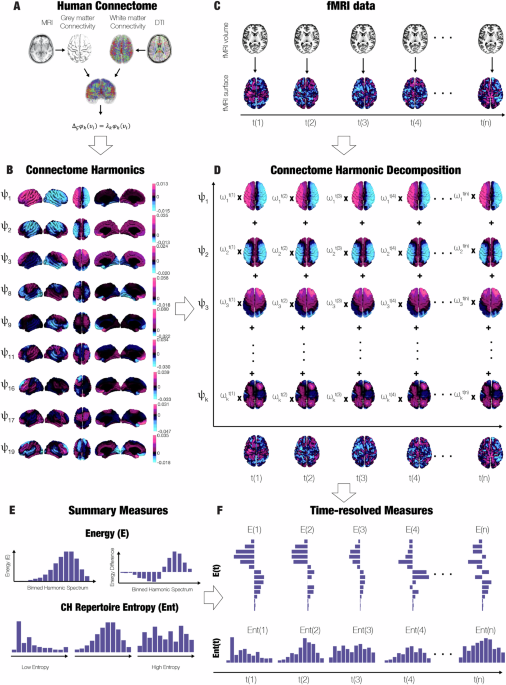
“the DMT harmonic signature is analogous to the ones elicited by LSD and ketamine, and opposite to the signatures of anaesthesia and disorders of consciousness.” https://www.nature.com/articles/s41386-025-02190-4 N,N-dimethyltryptamine effects on connectome harmonics, subjective experience and comparative psychedelic experiences (2025)
 Kaike Thiê da C Gonçalves
Dissociation and antidepressant response to subcutaneous esketamine: A clinical study (2026) : " These exploratory findings suggest that dissociative experiences, particularly derealization, may represent clinically relevant to antidepressant outcomes following subcutaneous esketamine treatment in TRD” https://pubmed.ncbi.nlm.nih.gov/42531622/
 Psychedelic Mental Health
(1) DMT produces a shift away from criticality in alpha and adjacent frequency bands, (2) the observed shift correlates with the ratings for the subjective experience of self-dissolution, and finally (3) the observed shift is in the direction of subcritical regimes. DMT-Induced Shifts in Criticality Correlate with Self-Dissolution (2026) https://www.jneurosci.org/content/46/2/e0344252025

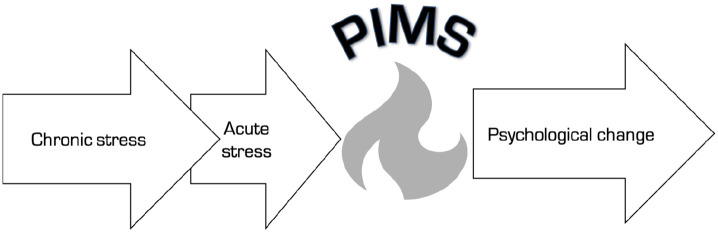
TIAM1-MEDIATED SYNAPTIC PLASTICITY UNDERLIES COMORBID DEPRESSION–LIKE AND KETAMINE ANTIDEPRESSANT–LIKE ACTIONS IN CHRONIC PAIN (RU, ET AL, 2023) stress and chronic pain appear to drive alterations in Tiam1-Rac1 signaling and synapse connectivity and function that are rescued by ketamine treatment, but the manner of change and the brain regions/neural circuits involved may differ.
 Andy Fell
 Link R. Swanson
Unifying Theories of Psychedelic Drug Effects (Swanson, 2018)
Abigail E. Calder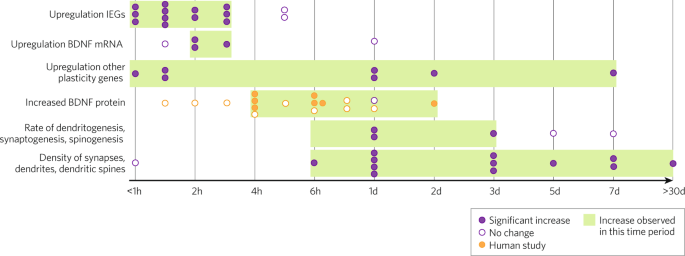
TOWARDS AN UNDERSTANDING OF PSYCHEDELIC-INDUCED NEUROPLASTICITY (CALDER, ET AL, 2022)
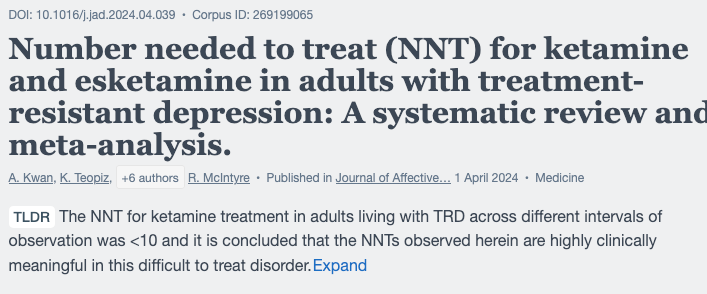
Sabrina WongRelatively few pharmacologic agents are proven safe and effective in adults with TRD. NNT estimates for investigational psilocybin and esketamine in TRD indicate clinical meaningfulness. The NNH profile for both aforementioned agents is clinically acceptable. Our results underscore the clinical relevance of these treatment options in adults with TRD.
 Jenessa N. Johnston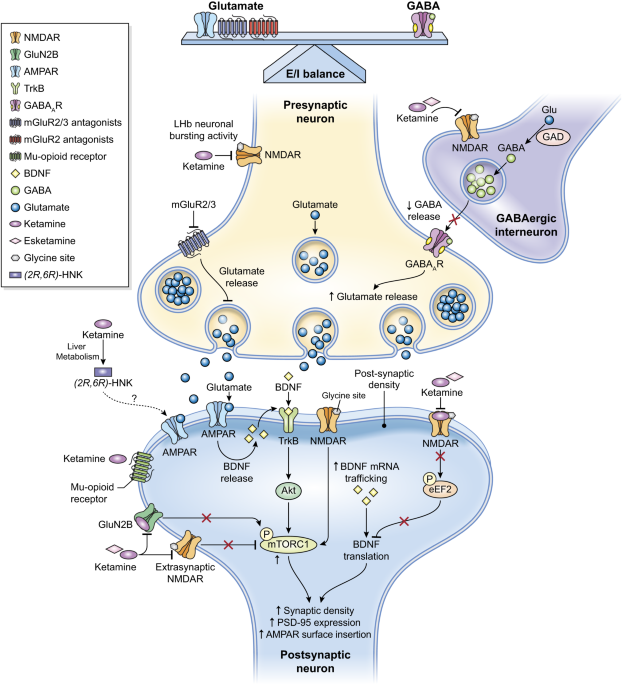
Considerable clinical research supports the use of—or further research with—subanesthetic-dose ketamine and its (S)-enantiomer esketamine in multiple neuropsychiatric disorders including depression, bipolar disorder, anxiety spectrum disorders, substance use disorders, and eating disorders, as well as for the management of chronic pain. KETAMINE IN NEUROPSYCHIATRIC DISORDERS: AN UPDATE (JOHNSTON, ET AL, 2023)
Sarah K. Fineberg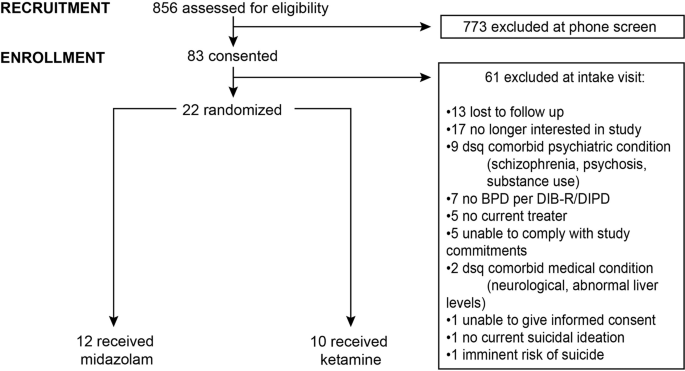
Infusions were well tolerated in both groups. Dissociative symptoms during infusion were more intense with ketamine than midazolam (t(12.3) = 3.61, p = 0.01), but they resolved by 40 min after infusion in both groups. Post-infusion adverse events were at the expected low levels in both groups.
 Karolina Podkowa
THE NMDA RECEPTOR ANTAGONISTS MEMANTINE AND KETAMINE AS ANTI-MIGRAINE AGENTS (PODKAWA, ET AL, 2023) Migraine is a debilitating disorder affecting females more frequently than males. There is some evidence that drugs targeting glutamate receptors: memantine and ketamine might be beneficial in the therapy of this entity. Therefore, the purpose of this work is to present NMDA receptor antagonists, memantine and ketamine, as potential anti-migraine agents.
 Emily Henderson, B.Sc.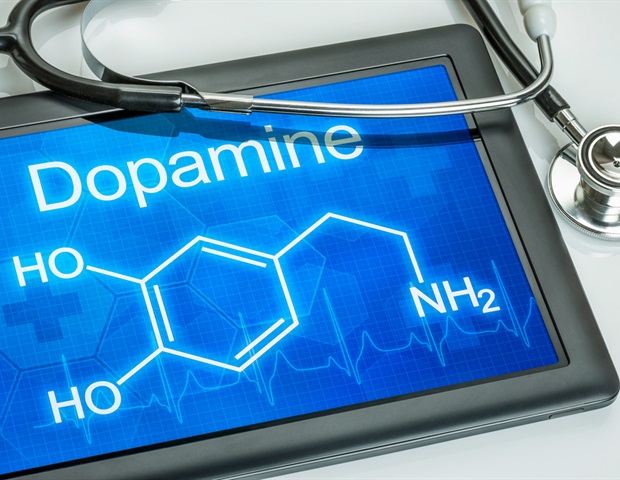
(2022): "THERAPEUTIC KETAMINE - LOWER ADDICTION POTENTIAL THAN PREVIOUSLY THOUGHT "
Sebastiao Rodrigo FerreiraKETAMINE CAN BE PRODUCED BY POCHONIA CHLAMYDOSPORIA: AN OLD MOLECULE AND A NEW ANTHELMINTIC? (FERREIRA, ET AL, 2020) "…we isolated and characterized molecules from the nematophagous fungus Pochonia chlamydosporia and tested these compounds on three nematodes: Caenorhabditis elegans; Ancylostoma ceylanicum; and Ascaris suum.”
 For Authors
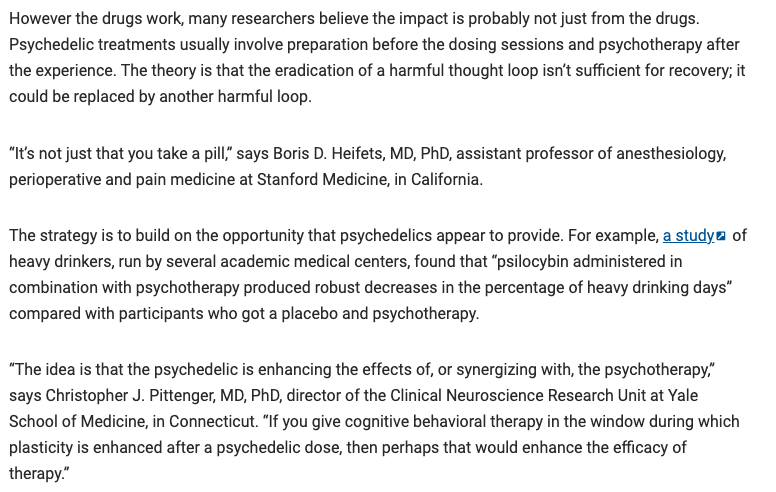
PERCENTAGE OF HEAVY DRINKING DAYS FOLLOWING PSILOCYBIN-ASSISTED PSYCHOTHERAPY VS PLACEBO IN THE TREATMENT OF ADULT PATIENTS WITH ALCOHOL USE DISORDER (BOGUNSCHUTZ, ET AL, 2022)
Josua ZimmermannWHITE MATTER ALTERATIONS IN CHRONIC MDMA USE: EVIDENCE FROM DIFFUSION TENSOR IMAGING AND NEUROFILAMENT LIGHT CHAIN BLOOD LEVELS (ZIMMERMAN, ET AL, 2022)
The safety and efficacy of psychedelic-assisted therapies are currently under investigation. No psychedelic-assisted therapy has been approved by the FDA or other regulatory authorities; no therapy works for everyone; and all therapies, even in clinical settings, carry risks.
The FDA does not regulate the practice of psychotherapy or coaching, and is unable to regulate the psychedelic experiences elicited by medicines such as ketamine.
“We can’t start history of psychedelics in the ‘60s in the Americas; that needs to stop. We [indigenous people] used this medicine before Jesus Christ walked this Earth.”
– Lisa M. Macias Red Bear, Injustice, Intersectional Trauma, and Psychedelics, 2017
 Sandeep M. Nayak
Psychedelic Therapy Multimedia
News, Resources, Media
Emily Henderson, B.Sc.

 Hanna Rosin
 Thomas Rutledge Ph.D.
 Lee Hale
 admin
admin Sophie Saint Thomas
 Haley Noble
 Kristen V Brown
 David S. Mathai, MD
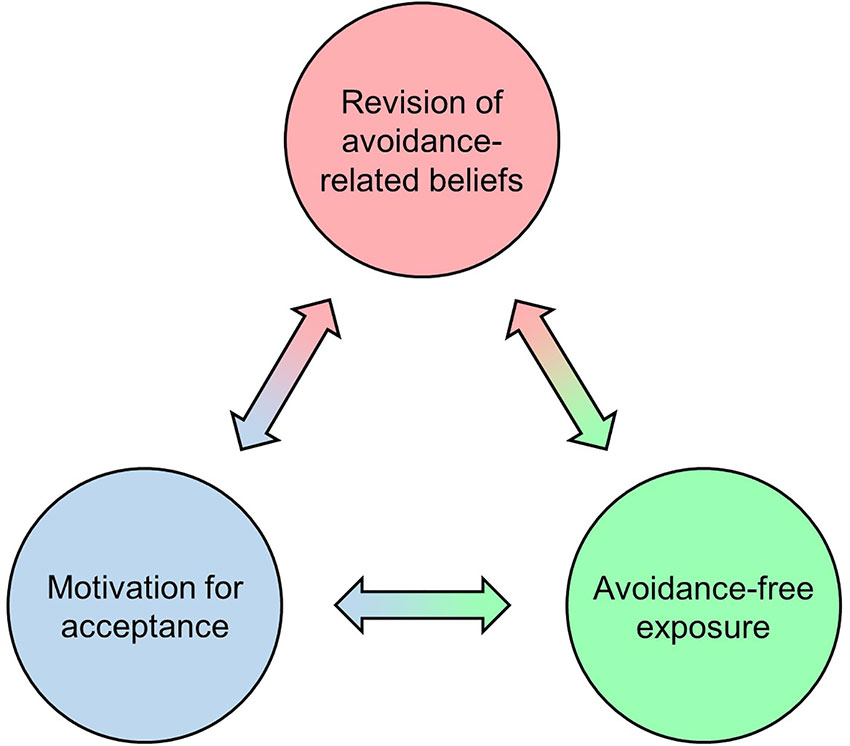
KETAMINE PSYCHEDELIC EXPERIENCE RELATED TO OUTCOME OF TREATMENT (PSYCHIATRIC TIMES, 2018) A cautious approach also seems imperative given evidence that ketamine demonstrates agonist activity at μ-opioid receptors and dopaminergic effects that may confer acute relief of depressive symptoms but also greater risk for positive drug reinforcement and dependence. With further insight into psychological responses mediated by ketamine, it may be that a therapy-based framework for ketamine administration optimizes treatment efficacy and sustainability, while also minimizing unnecessary drug exposure, adverse effects of chronic use, and dependency risk. Preliminary data suggest that ketamine produces meaningful, transformative experiences that may help patients accept healthier values, behaviors, and beliefs related to abstinence from drugs and alcohol.5,6 Other evidence suggests that dose-related mystical-type experiences mediate the effects of ketamine on motivation to quit in cocaine-dependent research volunteers.7 Few recent studies have examined whether ketamine’s hallucinogenic properties are implicated in antidepressant effects; however, psychiatric vulnerabilities to depression plausibly involve an existential dimension. This dimension includes depressive symptoms of hopelessness, guilt, and suicidality, which appear to be ketamine-sensitive.8
A solid overview of a bigger overall picture of psychedelic medicine
 Ricky Williamson
IAI.TV : THE REALITY OF THE MYSTICAL EXPERIENCE As is well documented, during the mystical experience, the subject-object distinction breaks down. The idea that ‘I am in here’ and ‘the world is out here’ disappears. For my consciousness of the world takes up the very same space as that which I call my mind. There is, in perception, no ‘inside’ the mind and ‘outside’ to the world. Look around you. All you can see is the outside! All you see is the room, and the window, and the sky. You do not see the interior of your mind – unless the world itself makes up that interior. Douglas Harding’s book ‘On Having No Head’, explains this idea very simply and allows for the clearest perception of the non-duality of the mystical experience. But Heidegger’s ‘being-in-the-world’ and Sartre’s ‘being and nothingness’ approach the same idea. And yet, while the mystical experience allows us to come to this truth that there really is no subject-object distinction, no ‘me vs the world’, this truth still holds for everyday reality too.
CHACRUNA PUBLISHES ARTICLE CHALLENGING DEA AYAHUASCA REPORT
Health professionals need to recognize the historical and cultural values of these plant medicines for Indigenous and traditional populations. These groups have been using ayahuasca and other plant medicines for centuries as part of their traditional healing systems. It is important to understand that we are dealing with traditions that do not abide by the concepts of Western healing, and that have their own logic and value. These practices must be recognized on their own terms. It is not a matter of opposing traditional healing systems and Western medicine, but of recognizing the uniqueness and importance of the former. In fact, it is widely known that in order to develop research and policy on ayahuasca it is crucial to consider the gathered knowledge and the experience of the groups that have been taking ayahuasca for centuries – Bia Labate, PhD, Executive Director, Chacruna Institute