
12. Hierarchy of Needs
 Michael DeMarco, PhD
 Eric W. Dolan
(2026): "findings suggest that mental habits play a significant role in shaping a person’s emotional experience…people create their own realities through the types of thoughts that they have. Individuals prone to negative affect seem to be contributing to their negative affect by choosing to think about problems and uncertainties under default conditions —findings could point to ways that pessimistic ways of living could be changed.”

SMART Recovery is a recovery model based on cognitive behavioral mental health practice with the aim of correcting the imbalance you have in your relationship with substances or destructive, compulsive behavior patterns which lead to suffering. Find a recovery meeting online or near you at https://smartrecovery.org
psychological experience of awe was strongly reported by participants during ketamine infusion, but not saline infusion, and there were significant associations between total AWE-S scores and Montgomery–Åsberg Depression Rating Scale score improvement (% change) in the ketamine arm at all 5 time points. Furthermore, at all 5 time points, total AWE-S scores statistically mediated the relationship between ketamine and Montgomery–Åsberg Depression Rating Scale scores. By contrast, Clinician-Administered Dissociative States Scale scores did not mediate outcomes at any time point.
Mystical Experience Induced by Esketamine Treatment: A Real-World Observational Study (Mallevays, et al., 2026) https://pubmed.ncbi.nlm.nih.gov/41959772/ “These findings add to the growing body of evidence suggesting that psychedelic-like mystical experiences may be associated to therapeutic efficacy, not only in classic psychedelic-assisted therapy, but also in esketamine treatment.” Another study suggesting esketamine ketamine is psychedelic And that the mystical experience affects therapeutic outcomes.
Sanjana Gajbhiye Jeremy M. Lawrence
 Neuroscience News
The “Brain Capital” Concept: Nature exposure is now viewed as a critical determinant of brain health, essential for maintaining the cognitive and emotional resources of a population. Multimodal Benefits: Positive effects were observed across various types of exposure, including outdoor walking, virtual reality (VR) nature environments, and even simply looking at images of the natural world. EEG Insights: Electroencephalogram (EEG) data showed that nature exposure directly correlates with a reduction in negative emotional processing and an increase in positive psychological responses. Urban Priority: With increasing urbanization, the researchers emphasize that environmental factors—not just genetics—play a massive role in shaping mental health risks and resilience.
 Michael DeMarco, PhD
Whether the psychedelic mystical experience matters or not, it happens, and has been studied for over 100 years in western science, longer in indigenous practices around the world. Psychedelic coaching helps support ketamine psychedelic clients before, during and after in making sense of the experience, and in finding some sense of meaningful change on the journey towards balance and wellness.
 Michael DeMarco, PhD
Ketamine has been described as a psychedelic since 1962.
While each psychedelic medicine may work on different receptors, ketamine and medicines like iboga, ayahuasca, LSD, MDMA, DMT, mescaline and psilocybin have effects on receptors and neural patterns in the brain and come with experiences which people describe as profound and personally meaningful.
Ketamine is the psychedelic medicine that is currently available and administered in clinics around the world for its FDA-approved use as a "dissociative anesthetic". While levels of "dissociation" are not associated with ongoing mental health benefits, experiences which are described as mystical, spiritual, awe-inspiring, blissful, ego-dissolving, near death experience, unity experiences ARE correlated with ongoing positive benefits in mental health.
 Michael DeMarco, PhD
Ketamine, and other psychedelic medicines involve subjective experiences similar to meditation which are reflected in various types of brain scans and self-report. Meditation may also elicit experiences which people describe using words similar to psychedelic and ketamine experiences.
Doug Brugge
A nutritional blend of taurine, vitamins B6, B9, and B12 improves motivated behaviors in healthy adults—a double-blinded randomized clinical trial (2026)
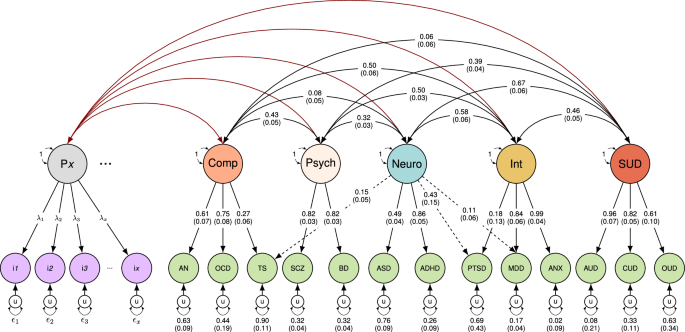
Shared Genetic Liability across Systems of Psychiatric and Physical Illness (2026) "This transdiagnostic factor again exhibited substantial genome-wide genetic correlations with internalizing, neurodevelopmental, and substance-use factors. Our results reveal pervasive risk sharing between specific groups of psychiatric and physical conditions and suggest the need for additional nosological frameworks."
NEUROPLASTICITY AND EMOTIONAL INTELLIGENCE: A PATHWAY TO COGNITIVE RESILIENCE (2026) “Findings demonstrate cultivating emotional intelligence through mindfulness, cognitive behavioral techniques, and social-emotional learning promotes beneficial neuroplastic changes enhancing cognitive resilience.” https://www.researchgate.net/publication/4
 Emily Shiffer
Hikikomori: Can psychological resilience prevent extreme social withdrawal? (2026) "Hikikomori is a phenomenon of social isolation characterized by an individual’s intentional and prolonged withdrawal from social life, and it has increasingly drawn global scholarly attention."
Vladimir Hedrih
(2026) "Sleep helps the brain to cleanse itself – and now this process can be measured in humans entirely non-invasively. Researchers at the University of Oulu have developed a method that allows the increased movement of brain fluids during sleep to be tracked quickly and safely, without the need for injected contrast agents"
Fluctuations in Sleep Duration and Timing and Cardiometabolic Risk (2026)
 Eric W. Dolan
 Rutger Boesjes
“Findings indicate that ketamine is associated with favourable effects on subjective sleep quality and provide preliminary evidence that baseline sleep disturbances and early sleep improvements may predict antidepressant response - also beneficial effects on objective sleep and circadian rhythmicity” Effects of ketamine on sleep and circadian rhythmicity in major depressive disorder and bipolar disorder: A systematic review (2026) https://pubmed.ncbi.nlm.nih.gov/421032
Riccardo GuglielmoLou-Anne ChavignyCognitive effects of intravenous Ketamine in treatment-resistant depression: A systematic review (Chavigny, et al, 2026) https://pubmed.ncbi.nlm.nih.gov/42100880/ Subanesthetic IV ketamine appears to preserve and enhance specific cognitive functions in TRD, notably across processing speed, working memory, and executive control. These procognitive effects, particularly in executive control, may mediate ketamine's antisuicidal action.
 Jan-Niklas Kreppke
 Zhihua Luo
 Eric W. Dolan
Just 24 minutes of specially designed music could significantly reduce anxiety (2026) "Among several listening lengths tested, a 24-minute session delivered the biggest benefits, easing both mental and physical symptoms of anxiety. The results suggest there may be an ideal “dose” of therapeutic music that works quickly without requiring long listening sessions."
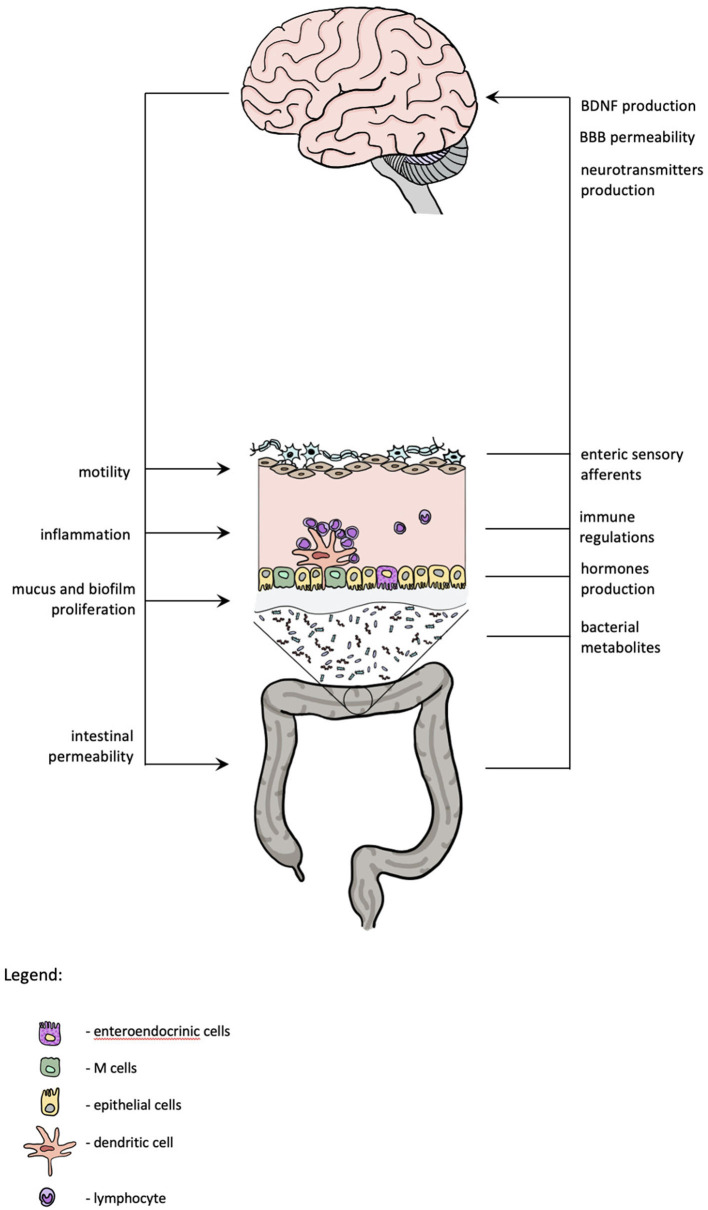
(2021): Preliminary study suggests "Ketamine seems to restore bacteria producing the anti-inflammatory substance, butyrate, and reduce the number of bacteria associated with inflammatory processes in the gut. It increases the abundance of bacteria, previously reported as reduced in depression, and reduces the amount of bacteria, previously reported as increased in MDD. It also increases the abundance of probiotic bacteria known to produce an antidepressant effect."
The Brain-Gut Connection (2026): "Researchers are finding evidence that irritation in the gastrointestinal system may send signals to the central nervous system (CNS) that trigger mood changes. Psychological interventions like CBT may also help to 'improve communications' between the big brain and the brain in our gut."
Ludovico Saint Amour di Chanaz Ph.D.
(2026) A new qualitative study confirms what research has been showing for years: More categories of symptoms can define ADHD, and not all of them are in the DSM. Using a thematic analysis on adults with ADHD, a new study identified nine categories of symptoms people with ADHD experience.
The Role of Cognitive Processing Factors in Sexual Function and Dysfunction in Women and Men: A Systematic Review (2020) "Overall, research supports the critical role of cognitive processing factors in predicting women's and men's sexual (dys)function. Evidence suggests that these dimensions should be systematically addressed during the assessment of sexual dysfunction and one of the main treatment targets of psychological interventions."
Cognitive Attentional Syndrome and Metacognitive Beliefs in Male Sexual Dysfunction: An Exploratory Study (2016) findings suggest that perseverative thinking, thought control strategies, and metacognitive beliefs may play a key role in the onset and maintenance of male sexual dysfunction.
Cognitive Behavioral Sex Therapy: An Emerging Treatment Option for Nonorganic Erectile Dysfunction in Young Men: A Feasibility Pilot Study (2020) "The CBST is an emerging and promising treatment choice in younger men suffering from NOED."
Kyle D. Killian Ph.D., LMFT
(2023): While women report more distracting thoughts and higher levels of associated anxiety than men, both men, and women are affected by cognitive distraction. Women tend to report more distractions in the body image category, and men report more performance-related distraction. If during intimacy, one is worried about being seen or discovered, doubts what they’re doing is turning on their partner, worries whether they or their partner will climax, and/or thinks about school or work, it becomes a rush hour of thoughts. All that thought traffic would distract just about anyone and ensures one isn’t really there for the intimacy.
The Memory-Masturbation Link: Analyzing Psychological Impacts and Myths (2026) :"Findings suggest that masturbation influences neurochemical processes, including fluctuations in dopamine, serotonin, and oxytocin. These changes do not conclusively impair memory but may enhance mood regulation and stress re-lief, indirectly supporting cognitive function. While moderate masturbation does not negatively affect memory, compulsive behaviors, particularly when associated with excessive pornography consumption, have been linked to attentional deficits and psychological distress. There is no strong scientific basis for the belief that masturbation directly harms memory. Instead, its effects are context-dependent, influenced by individual psychological factors, cultural narratives, and behavioral patterns. Future research should further explore the long-term cognitive impacts of sexual activity, while public discourse should focus on dispelling myths and promoting a balanced, evidence-based understanding of sexual health and cognitive well-being.
Clinical holistic medicine: teaching orgasm for females with chronic anorgasmia using the Betty Dodson method (2008)
The therapy used the advanced tools of reparenting, genital acceptance, acceptance through touch, and direct sexual clitoral stimulation. A clitoral vibrator was used. Participants were 500 female patients between 18 and 88 years of age (mean of 35 years) with chronic anorgasmia (for 12 years on average) who were participating in an orgasm course for anorgasmic women ; 25% of the patients had never experienced an orgasm. Our results show that 465 patients (93%) had an orgasm during therapy, witnessed by the therapist, and 35 patients (7%) did not. Postmenopausal women were as able to achieve orgasm as fertile women, as were women who never had an orgasm. No patients had detectable negative side effects or adverse effects. Our conclusions are that holistic sexological manual therapy may be rational, safe, ethical, and efficient.
The Goop Lab S1.E3 The Pleasure Is Ours (2020)
 Entertainment News Journalist
"The most radical part of the episode comes when the camera directly shows a vulva and explains what each part of the genitalia does. As noted earlier, a number of women were polled about the appearance of their vulva, and a shockingly large number of those asked had no idea what it looked like, nor could they detail the difference between it and the vagina. For The Goop Lab to directly take on the difficult task of destigmatizing sexual wellness by showing a part of the body that is almost never seen on-screen outside of porn is nothing short of radical. Any movie that would even attempt to show a vulva for any length of time would undoubtedly be slapped with an NC-17 rating, a fate that does not instantly befall any film that shows a penis. Not only that, but they show multiple vulvas in close-up to remind people everywhere that there is no such thing as “the perfect vulva” or a specific way it’s supposed to look. For some viewers, this may be the first time they ever see and understand this."
Sporadic use of classic psychedelics and neuropsychological performance: A cross-sectional analysis (2025) "No cognitive deficits found in sporadic psychedelic users compared to non-users.•Sporadic lifetime use of psychedelics associates with increased cognitive flexibility.•Amount of lifetime psychedelic use predicts degree of increased cognitive flexibility."
Michael Pollan on consciousness, thoughts, feelings, psychedelics, plant medicines, entheogens, idealism
Michael DeMarco, PhD
Table of Contents
Michael DeMarco, PhDMichael DeMarco, PhD
Try an ABC exercise