16. Meditation
 Neuroscience News

 Balachundhar Subramaniam MD, MPH, FASA
Meditation and psychedelics facilitate similar types of mystical, psychological, and philosophical-existential insights predictive of wellbeing: a qualitative-quantitative approach (Jylkkä, et al, 2025)
the reported insights were highly similar across the two types of reports, and only minor differences were observed between classic and non-classic psychedelics (including ketamine). Regression analyses indicated that metacognitive and value insights were positively associated with perceived improvements in positive affect, while mystical-type insights predicted increased meaning in life. These findings suggest that both psychedelic substances and meditation can facilitate a broad range of insights that are not fully captured by existing questionnaires. The results highlight similarities between psychedelic and meditation experiences supporting the notion that transformative experiences are not exclusive to classic psychedelics but can be facilitated through various means.
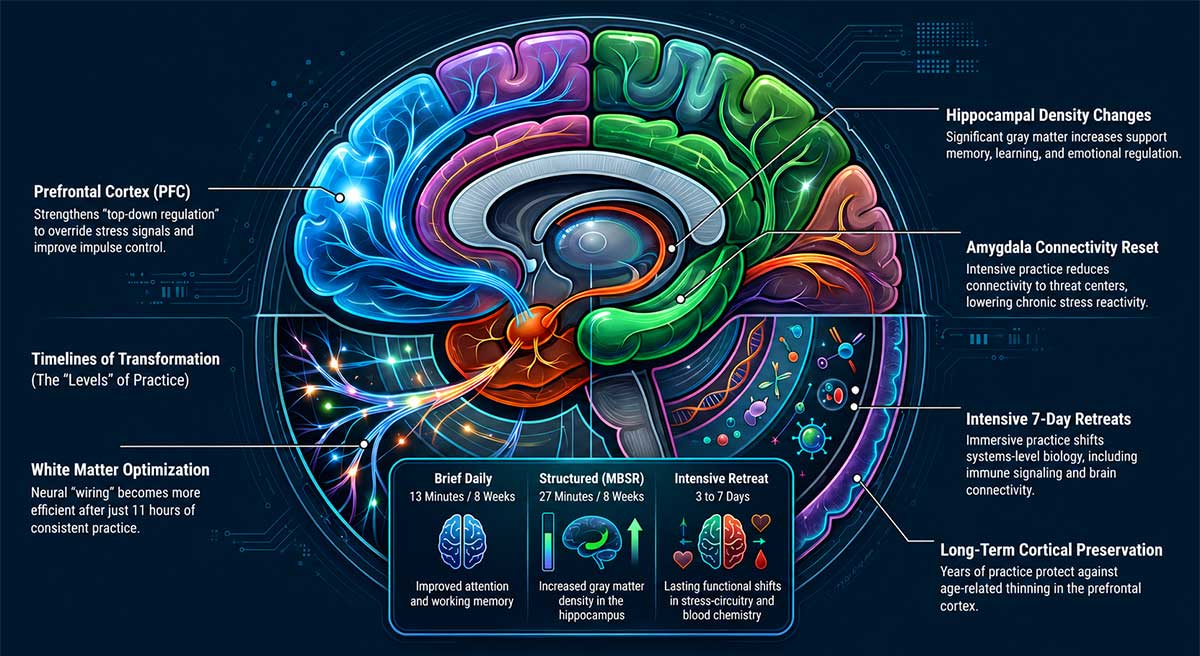
Mindfulness, cognition, and long-term meditators: Toward a science of advanced meditation. (Ehmann, et al, 2026) we synthesized cognitive-behavioral outcomes in long-term meditators (LTMs) resulting from diverse, prolonged meditation practices. Preliminary evidence suggests that LTMs exhibit increased cognitive-sensory integration and decoupling of affective processes, demonstrated by enhanced interoceptive awareness, reduced negative affective pain perception, and more rational decision making. Additionally, LTMs may experience more emotional neutrality, malleable self-boundaries, and altered self-awareness. Neuroimaging findings included increased bottom-up activation, particularly within the salience network (interoception, pain, affect), and reduced connectivity between the executive (dorsolateral prefrontal cortex) and salience (dorsal anterior cingulate cortex) networks (reduced pain). The literature also suggests reduced fear and amygdala activation (mitigated negative affect), increased temporoparietal junction activation (pre-reflective experiential processes, empathy), and altered midline default-mode network activation, which was associated with emotional neutrality and non-ordinary states of consciousness.
Neural correlates of meditation and psychedelic medicines including ketamine (review of the literature)
Gianluca Rho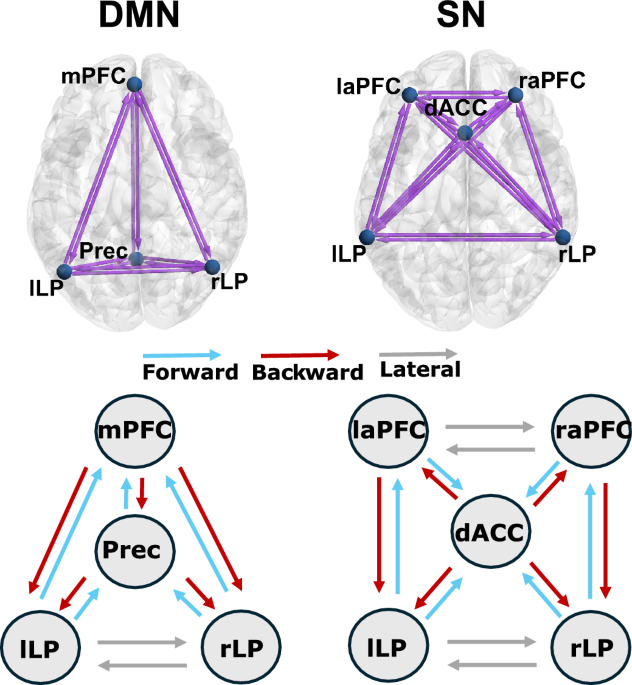 Mount Sinai Health System
 Alex Jinich-Diamant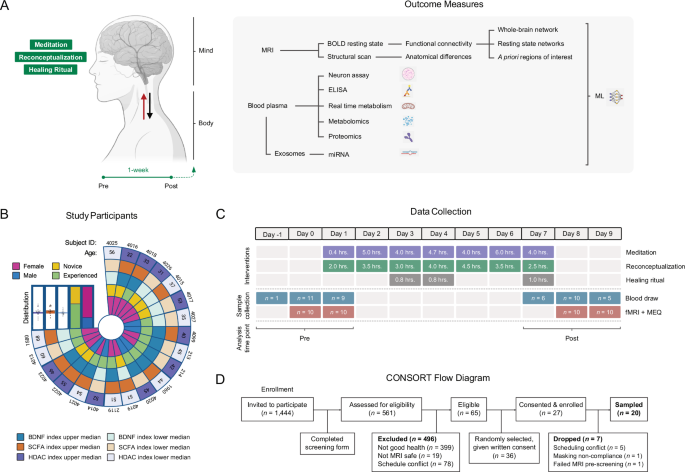
(2026): " This intensive non-pharmacological mind-body intervention produces broad short-term neural and plasma-based molecular changes associated with enhanced neuroplasticity, metabolic reprogramming, and modulation of functional cell signaling pathways, highlighting the potential of mind-body techniques to modulate neural circuits and pathways important to health and well-being."
Ling Yut Hooi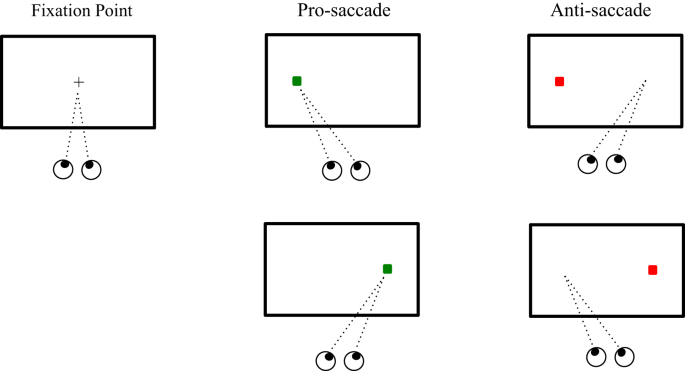
(2025): "The results showed significant improvement in cognitive flexibility and reduction in perceived stress levels after the intervention in the mindfulness breathing meditation group compared to the active control group. Participants in the mindfulness breathing meditation group self-reported this intervention as highly acceptable and effective in promoting stress reduction, emotional regulation, and attentional control."
Qi Han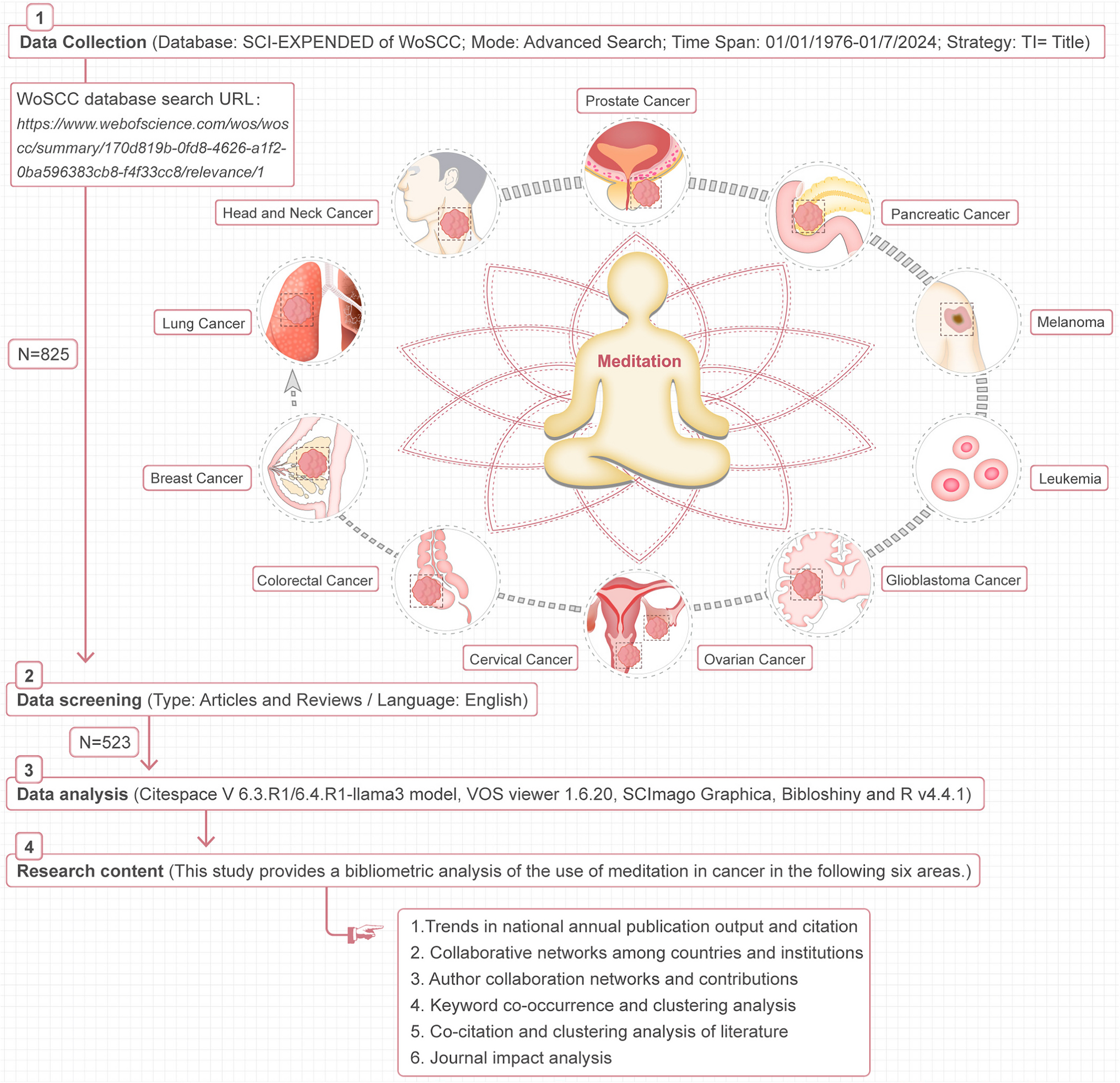
(2025): "Meditation is well known for its positive effects on recovery and quality of life enhancement among cancer patients. Meditation as an adjuvant therapy has received extensive attention from international scholars in relieving pain, reducing psychological pressure and improving the quality of life of cancer patients. In this study, we examine the current status of meditation in cancer research and its potential application value and future development. This study highlights the growing interest in meditation as an adjuvant therapy for cancer patients, underscoring its potential to improve survivors’ quality of life. Current research primarily focuses on quality of life, mindfulness-based stress reduction therapy, and clinical trials. Additionally, online, virtual reality technology, cancer survivors, fear of cancer recurrence, and qualitative research may become cutting-edge research directions in the future."
Meditation and complexity: a review and synthesis of evidence (Atad, et al, 2025)
We provide a scoping review of the growing literature studying the complexity of neural activity in meditation, disentangling different families of measures, short-term (state) from long-term (trait) effects, and meditation styles. Beyond families of measures used, our review uncovers a convergence toward identifying higher complexity during the meditative state when compared to waking rest or mind-wandering and decreased baseline complexity as a trait following regular meditation practice. In doing so, this review contributes to guide current debates and provides a framework for understanding the complexity of neural activity in meditation, while suggesting practical guidelines for future research.
Priscilla Fabrizi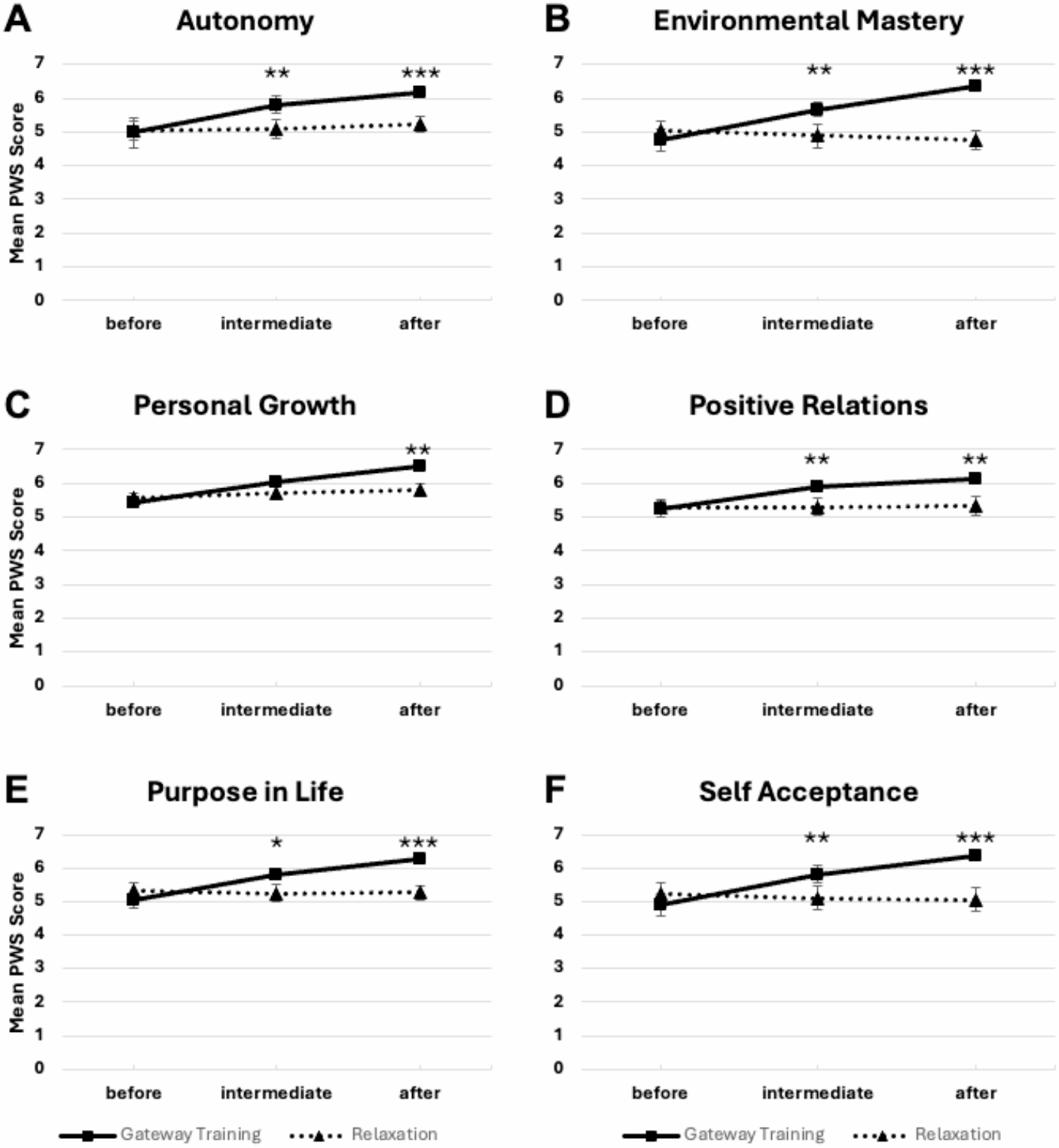


 Henry Kandel
 Emily M Gent
(2024): "Esketamine enhanced psychological engagement with a daily MBI, compared to placebo, and led to transient decreases in alcohol cravings. Esketamine also resulted in significantly greater mystical experiences and dissociative states compared to placebo."
In Rational Emotive Behavior Therapy (REBT), unconditional self acceptance, unconditional other acceptance, and unconditional life acceptance are goals of therapy. These combined can lead to what has been described as peak experiences, or transcendent experiences by Maslow, and others.
 Molly H. Nadel
 Alex
Alex
Self-transcendence, as defined by Maslow in his later works, refers to the process by which individuals move beyond their own personal needs and self-fulfillment to connect with higher purposes, values, or goals outside of themselves (Maslow, 1969). While self-actualization is focused on realizing one’s own potential, self-transcendence involves transcending the individual ego and identifying with something greater, such as the well-being of others, the environment, or a spiritual or religious belief system. This shift from self-centered goals to broader, altruistic motivations marks a significant evolution in Maslow’s hierarchy, highlighting the human capacity for growth beyond personal achievement (Koltko-Rivera, 2006).
These map onto the types of ketamine descriptions Kolp (2014) used to describe the ketamine psychedelic state as empathogenic, out of body, near death experiences and ego-dissolving transcendental experience.
 Eli Kolp
These map onto a third dimension, which is neuroscience. The doses used by mouth in the mental health, sub-anesthetic range elicit these sorts of experiences while the body is metabolizing the medicine. In the days and weeks afterwards are when there is a window of opportunity of change, as you apply anything meaningful you took away from the ketamine psychedelic experience.
Michael DeMarco, PhD Michael DeMarco, PhD
 Sam
Sam
 Neuroscience News
 Michael DeMarco, PhD
 William R. Miller and Janet C’de Baca
 Adrian Lewis