
11. Affirmations & Contemplation
 View author profile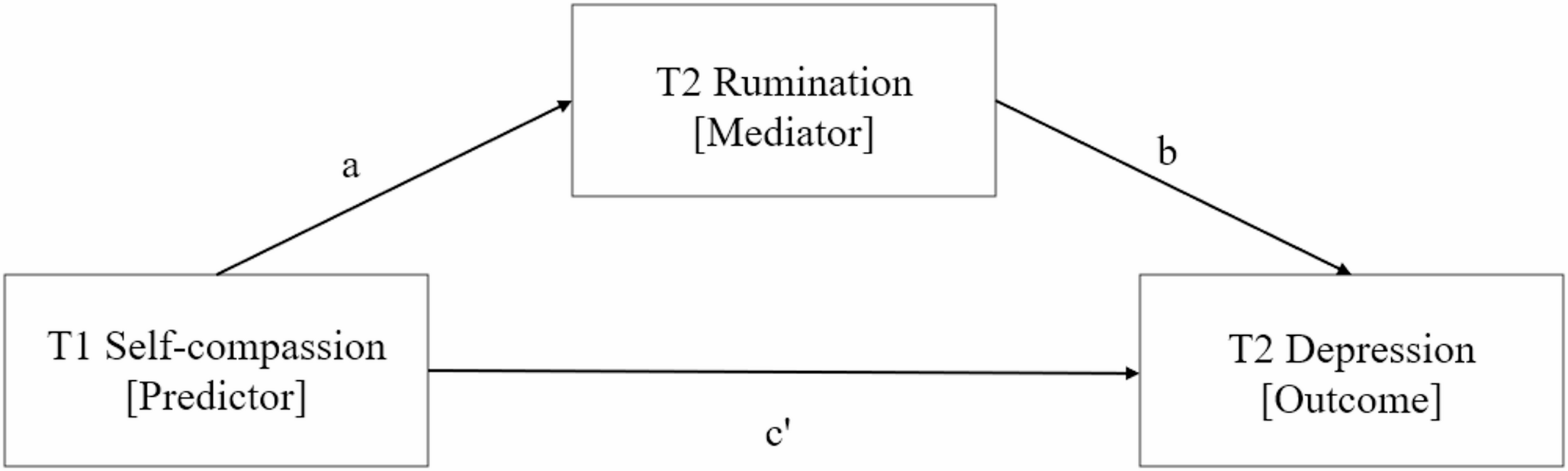
(2026):"The findings suggest that self-compassion indirectly alleviates depressive symptoms by reducing ruminative thinking, even after accounting for baseline mental health. This supports the utility of self-compassion as a protective factor against depression during the school-to-work transition."
Self-affirmations can boost well-being, study finds (2025)
"... researchers found that self-affirmations had positive effects on people’s general well-being, social well-being, and self-perception and sense of self-worth. The self-affirmations also reduced negative symptoms such as anxiety and negative mood. These effects did not dissipate immediately—they persisted over time, with an average follow-up time of nearly two weeks across the studies."
How many of these examples of affirmations feel like full body yes?
On Savoring
 Daniela Ramirez-Duran, Ph.D. candidate, MAPP
on savoring responses... "These are the specific behaviors or thoughts emerging as a response to a positive event. These responses regulate the influence of such positive events on positive affect by either amplifying or dampening the intensity and duration of positive emotions..."
Savoring refers to the process by which individuals consciously notice, deeply experience, prolong, and amplify positive experiences. This process enhances individuals' sense of well‐being and their ability to regulate positive emotions (Bryant & Veroff, 2007).
While adversity is part of our common humanity, it does not mean that there is no space for brighter things to happen. Intentionally placing our attention on positive events and prolonging the positive feelings that arise can buffer against negative health outcomes and enable wellbeing.
Some documented benefits of developing and using an increased savoring ability include the following (Source)
- Counterbalances the experience of unpleasant emotions during stressful events (Zautra, Affleck, Tennen, Reich, & Davis, 2005)
- Boosts happiness in people experiencing fewer daily positive events (Jose, Lim, & Bryant, 2012)
- Predicts greater levels of positive affect and self-esteem in primary school children (Bryant & Veroff, 2007)
- Predicts higher levels of life satisfaction, happiness, and perceived control in adolescents and older adults (Bryant, 2003)
- Predicts decreased depressive symptoms in older adults (Smith & Hollinger-Smith, 2015)
- Predicts reduced levels of depression and anxiety in Chinese caregivers (Hou et al., 2016)
- Predicts decreased levels of obsessive-compulsive disorder and social phobia in U.S. undergraduates (Eisner, Johnson, & Carver, 2009)
- Positively relates to higher levels of positive affect and life satisfaction (Quoidbach, Berry, Hansenne, & Micolajczk, 2010)
- Positively influences satisfaction in long-distance romantic relationships through increased positive affect (Borelli, Rasmussen, Burkhart, & Sbarra, 2015)
- Relational savoring, such as explicit disclosure of positive events to a partner, increases the quality of the relationship and levels of self-esteem (Pagania et al., 2015)
- Helps people balance family and career responsibilities more effectively (Camgoz, 2014)
- Promotes positive relationships when experiencing a wholehearted response to a narrated positive event by other people (Reis, Smith, Tsai, Rodriguez, & Maniaci, 20
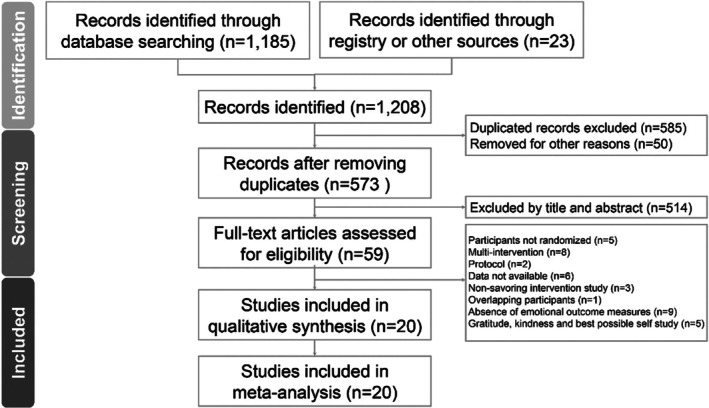
"Savoring interventions demonstrate consistent and meaningful benefits for enhancing positive psychological outcomes and reducing negative emotional symptoms across diverse populations and delivery modes. The findings underscore savoring's potential as a scalable and culturally adaptable approach to promoting emotional well-being ... savoring interventions have significant effects on improving emotional well-being. The pooled effect size (g = 0.51) indicates that savoring interventions not only effectively enhance positive emotions but also alleviate negative emotional distress, making them a powerful strategy for promoting mental health. This finding aligns with extensive prior evidence and echoes Bryant's (2021) recent interpretation of savoring theory—that savoring represents a positive emotion regulation process that helps individuals mitigate emotional disorders (e.g. depression and anxiety) while simultaneously promoting positive psychological outcomes such as optimism, happiness, and life satisfaction."
A positive reframing of sexual expression - Sex as a jam session
On Mortality
Play this video while watching the next video on mute.
Let this video play some sample affirmations on mute while the music from the previous video is audible for optimal experience.
From the journal Innovation in April 2026: Quantum evidence of nonlocal consciousness during clinical death (2026) "If consciousness can operate under quantum principles, then the boundaries between life, death, and cognition are far more permeable than current science allows... NDEs positively correlated with neuroplasticity during Cardiac Arrest. Biomarker models explained up to 56.8% of the variance in recall. These findings compel a radical rethinking of clinical death: consciousness may persist—quantum-bound, detectable, and not yet defeated.
Certain anesthetics and psychoactive agents, especially ketamine—a
dissociative NMDA antagonist—are well-documented to induce phenomenological states that closely mimic spontaneous NDEs. These include out-of-body experiences, time distortion, depersonalization, and profound tranquility or transcendence.104–106 A large-scale semantic analysis of subjective reports has confirmed that ketamine-induced states are more similar to NDEs than those associated with serotonergic psychedelics.105 These similarities support the hypothesis that shared neurochemical mechanisms—such as transient NMDA receptor blockade and glutamatergic dysregulation under extreme stress—may underpin NDEs. One speculation is that the dying brain might endogenously release ketamine-like compounds or enter a disinhibited cortical state, temporarily supporting heightened internal awareness. These findings reintroduce anesthesiology into broader debates on the neural correlates of consciousness, including theories that embrace non-classical processes such as quantum brain dynamics. Notably, our study found correlations between verified quantum entanglement effects and conscious recall, lending empirical support to theoretical models—such as the Hameroff and Penrose (2014) theory 57—that attempt to explain how awareness might emerge under otherwise suppressive conditions."
Neuroscience News
A meta-analytic review and conceptual model of the antecedents and outcomes of goal adjustment in response to striving difficulties (2025)
View author profile
"If you can't love your Self, now how the hell are you gonna love someone else?" RuPaul

"demonstrated large effects on forgiveness, mental health, and composite well-being in a recent multisite randomized trial across five countries22. While this do-it-yourself workbook should not be considered a replacement for treatment from qualified healthcare professionals when needed and its benefits are likely to vary across individuals, this freely available resource has the potential to reach and provide support to many people around the world at low cost."
Richard G. Cowden
"this pattern of findings aligns with some theoretical and empirical work that suggests forgiveness of others may have implications for whole person functioning" (2026)
Esther Perel
Esther Perel on reorganizing relationships
 Annabel Rowney-Smith,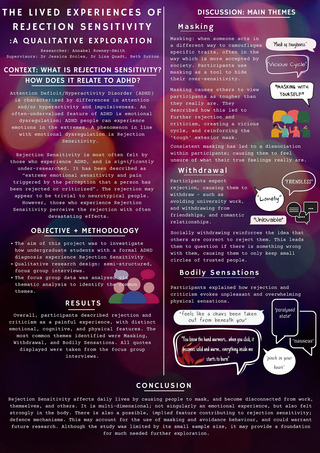
(2026): "To investigate the lived experience of rejection sensitivity in ADHD individuals, five undergraduate students participated in focus-group interviews. The subsequent thematic analysis revealed three key themes which encapsulated their experiences; withdrawal, masking, and bodily sensations. The participants explained how rejection sensitivity elicited unpleasant bodily sensations, anxiety, and misery, and how, in turn, they used masking to camouflage these feelings. They then discussed how the use of masking had caused them to become dissociated from themselves and to withdraw from others, which often resulted in loneliness. It was apparent that rejection sensitivity significantly impacts mental wellbeing, eliciting feelings such as anxiousness, despair, and embarrassment. In turn, social function is significantly impaired, alongside career opportunities, and daily life. Our findings indicate a need for deeper understanding of ADHD traits and emotional dysregulation, which may in turn lessen the presence of rejection sensitivity in ADHD individuals."
Michael DeMarco, PhD
Table of Contents

Try an ABC exercise